Introduction
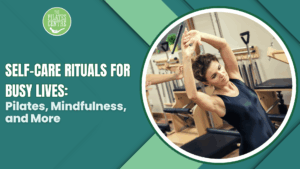
Stress has become a normal part of modern life. Busy schedules, constant screen time, emotional demands, and physical tension all add up, often showing up in the body as tight shoulders, shallow breathing, poor sleep, or ongoing discomfort. While many people look for ways to “switch off” stress mentally, the body is often where stress lives the longest. This is where Pilates becomes a powerful and supportive tool not as a quick fix, but as a sustainable way to manage stress through mindful movement.
How Stress Shows Up in the Body
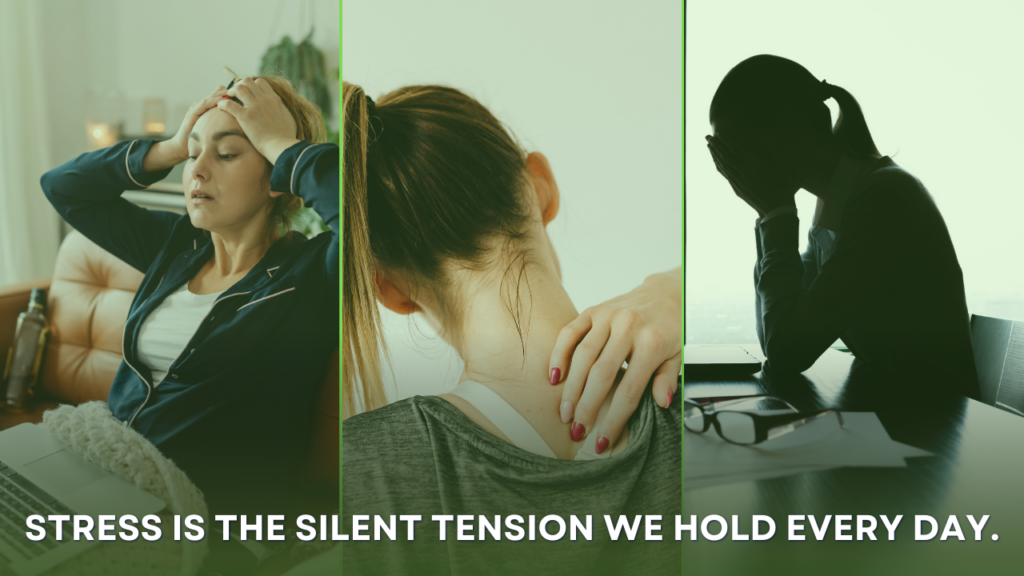
Stress doesn’t just affect the mind; it changes how the body moves and holds itself. Muscles tighten, breathing becomes shallow, posture collapses or stiffens, and the nervous system stays on high alert. Over time, this constant state of tension can lead to pain, fatigue, and a feeling of disconnection from the body.
Movement That Calms the Nervous System
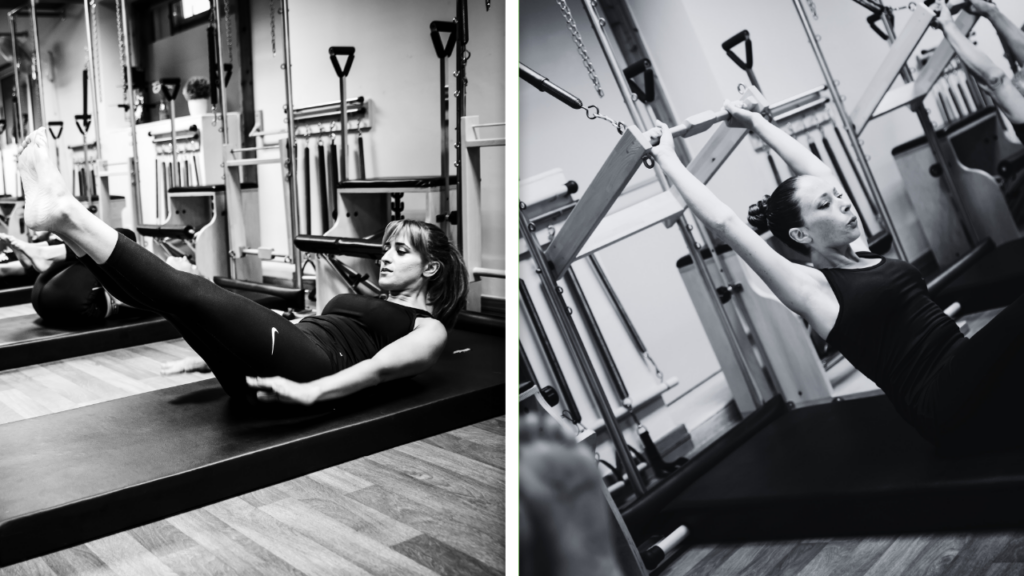
Pilates is not about rushing through exercises or pushing the body to exhaustion. The focus on controlled, precise movement combined with steady breathing sends a clear message to the nervous system that it is safe to slow down. As movements become more fluid and connected, the body begins to shift out of a stress response and into a calmer, more balanced state. This regulation of the nervous system is one of the reasons many people leave a Pilates session feeling grounded and mentally clearer.
Breathing as a Bridge Between Body and Mind
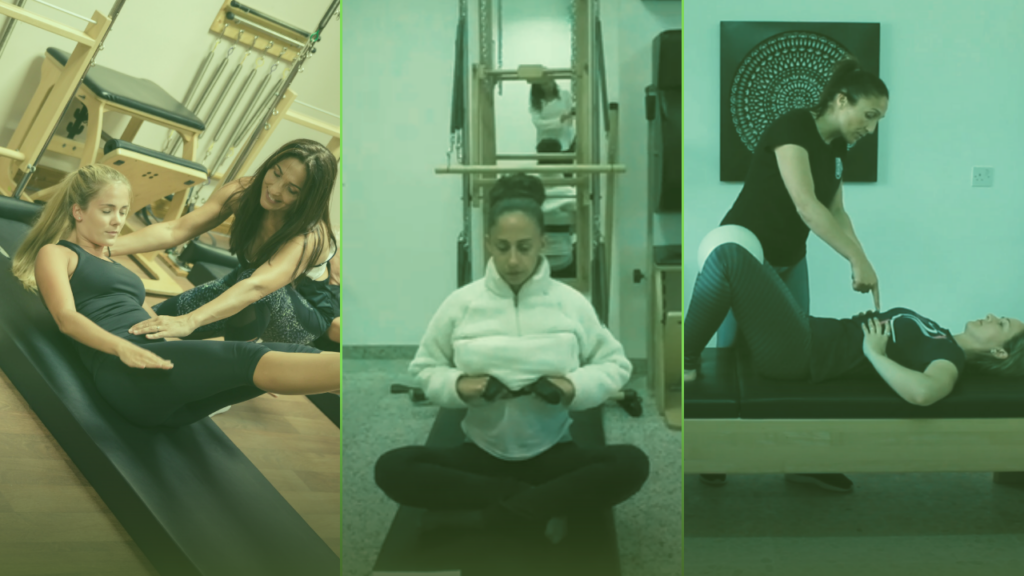
One of the most powerful aspects of Pilates is breath awareness. Conscious breathing helps reduce tension, improve oxygen flow, and create a sense of rhythm within the body. When breath and movement work together, the mind naturally becomes more present. This presence reduces mental noise and allows the body to move with more ease. Over time, this practice can improve how you respond to stress not just in the studio, but in everyday life.
Building Resilience Through Consistent Practice
Pilates supports stress management by building physical and mental resilience. As the body becomes stronger, more balanced, and more efficient in its movement, everyday tasks feel less demanding. This reduces physical strain and increases confidence in how the body functions. A consistent Pilates practice teaches the body how to cope better with stress, rather than constantly reacting to it.
Conclusion
Stress management isn’t about eliminating stress entirely, it’s about learning how to respond to it in a healthier way. Pilates offers a thoughtful, body-based approach that supports both physical well-being and mental clarity. By improving movement quality, breathing, and awareness, Pilates helps create space for the body to relax and reset. Over time, this can lead to better posture, improved sleep, reduced tension, and a greater sense of calm in daily life.
Ready to experience how Pilates can support your well-being?
+34 610 30 60 05
info@pilatescentre.es
Contact Pilates Centre today to book your session and discover movement that supports both your body and your peace of mind.

John McCallum
is an esteemed, Fully Certified Comprehensive Classical Pilates Teacher and takes immense pride as the proprietor of the distinguished Pilates Centre located in Jalon, Spain. His remarkable journey in the realm of Pilates commenced back in 2006, a pivotal juncture when he confronted the diagnosis of three slipped discs in his lower back. Pilates emerged as a beacon of profound hope and rejuvenation in his life. Instead of succumbing to the prospect of surgical intervention, Pilates gracefully assumed the role of his lifeline.
This transformative experience impelled him to make a resolute decision that would reshape his life’s trajectory. Following his journey to become a Pilates Teacher, he passionately extended the benefits he had personally garnered to those in need. This also took him to travel to other countries to continue to learn and have a fuller understanding of the method.
Fueled by an unwavering passion for Pilates, he has forged a dynamic