Introduction
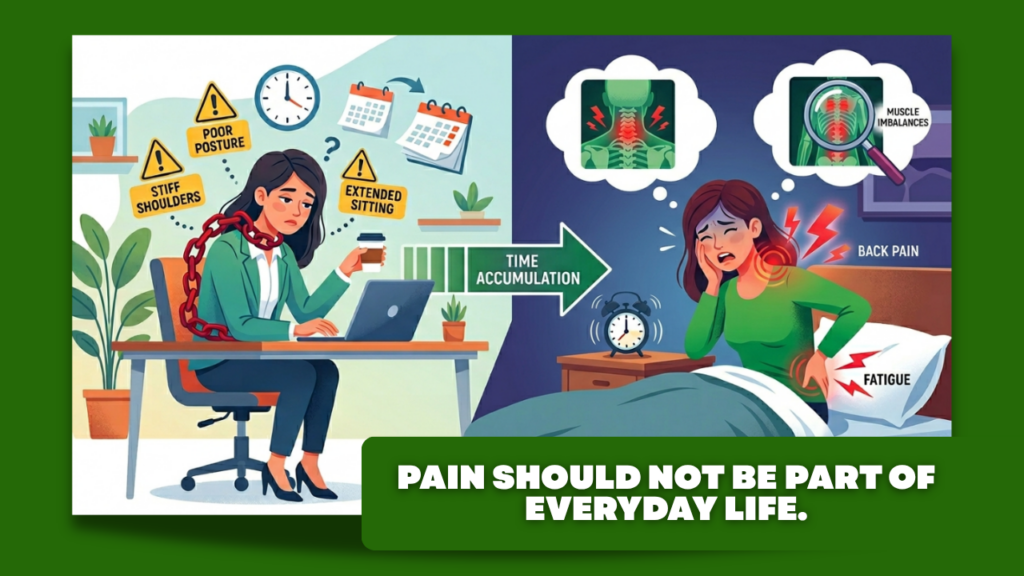
Most people begin searching for solutions to body pain only after discomfort has already started. Back pain, stiff shoulders, poor posture, and fatigue are often accepted as part of modern living. However, movement science shows that many of these issues develop over time due to imbalances in the body rather than sudden injury.
Pilates offers a proactive approach to health by focusing on strength, alignment, and control before pain begins. Instead of waiting for the body to break down, Pilates helps build a strong foundation that supports long-term wellness, mobility, and resilience.
Building Awareness Through Movement
One of the key principles of Pilates is developing body awareness. Many people go through daily life without noticing how they sit, stand, or carry tension in their bodies. Over time, these habits create imbalances that lead to discomfort and dysfunction.
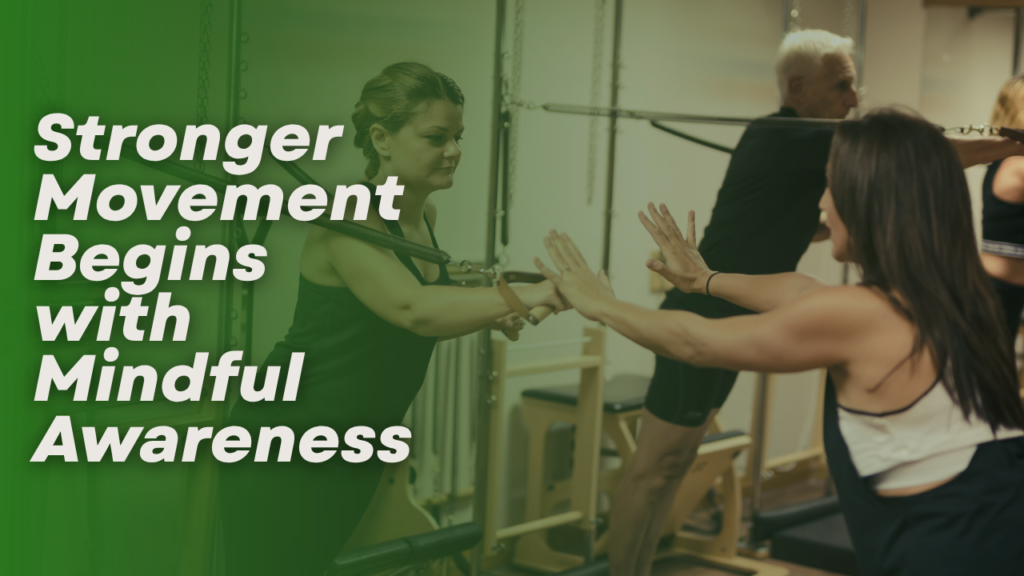
Pilates encourages mindful movement. It helps individuals recognize how posture and alignment affect the body as a whole. With increased awareness, small adjustments can be made early, helping prevent long-term issues from developing.
Strengthening the Deep Stabilizing Muscles
Pilates focuses on the deep stabilizing muscles that support the spine, pelvis, and core. These muscles are essential for maintaining balance, stability, and control during everyday movement.
When these muscles are weak, the body compensates by overusing other areas, which can lead to strain and injury. Pilates strengthens these deeper muscles, creating internal support that improves posture and reduces stress on joints and surrounding tissues.
Improving Mobility and Joint Longevity
Stiffness is often a warning sign that the body is not moving efficiently. Limited mobility in the spine, hips, and shoulders can gradually lead to discomfort and injury.
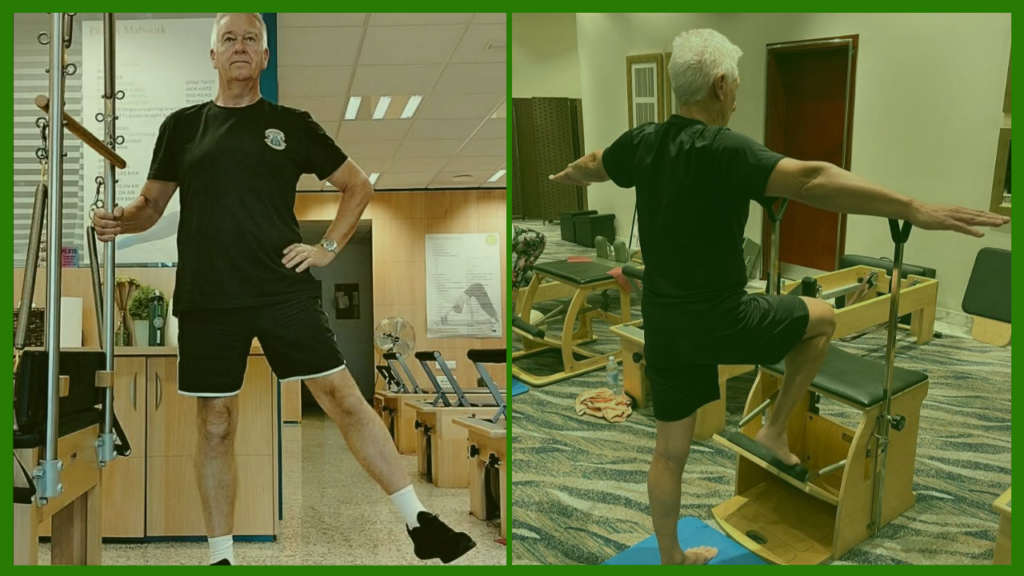
Pilates emphasizes controlled movement through a full range of motion, helping maintain healthy and functional joints. With consistent practice, the body becomes both flexible and stable, which is essential for long-term physical health and independence.
Conclusion
Pilates is more than exercise. It is a form of preventive healthcare that prepares the body to move with strength and efficiency throughout life. By improving awareness, building deep strength, and supporting mobility, Pilates helps reduce the risk of pain before it starts.
Investing in movement today supports a healthier and stronger body in the future.

John McCallum
is an esteemed, Fully Certified Comprehensive Classical Pilates Teacher and takes immense pride as the proprietor of the distinguished Pilates Centre located in Jalon, Spain. His remarkable journey in the realm of Pilates commenced back in 2006, a pivotal juncture when he confronted the diagnosis of three slipped discs in his lower back. Pilates emerged as a beacon of profound hope and rejuvenation in his life. Instead of succumbing to the prospect of surgical intervention, Pilates gracefully assumed the role of his lifeline.
This transformative experience impelled him to make a resolute decision that would reshape his life’s trajectory. Following his journey to become a Pilates Teacher, he passionately extended the benefits he had personally garnered to those in need. This also took him to travel to other countries to continue to learn and have a fuller understanding of the method.
Fueled by an unwavering passion for Pilates, he has forged a dynamic collaboration with a reputable research institution. This strategic alliance enables him to deliver precise and illuminating insights, fostering support and empowerment for individuals interested in the power of this method. His literary contributions have garnered distinction within an array of esteeme.