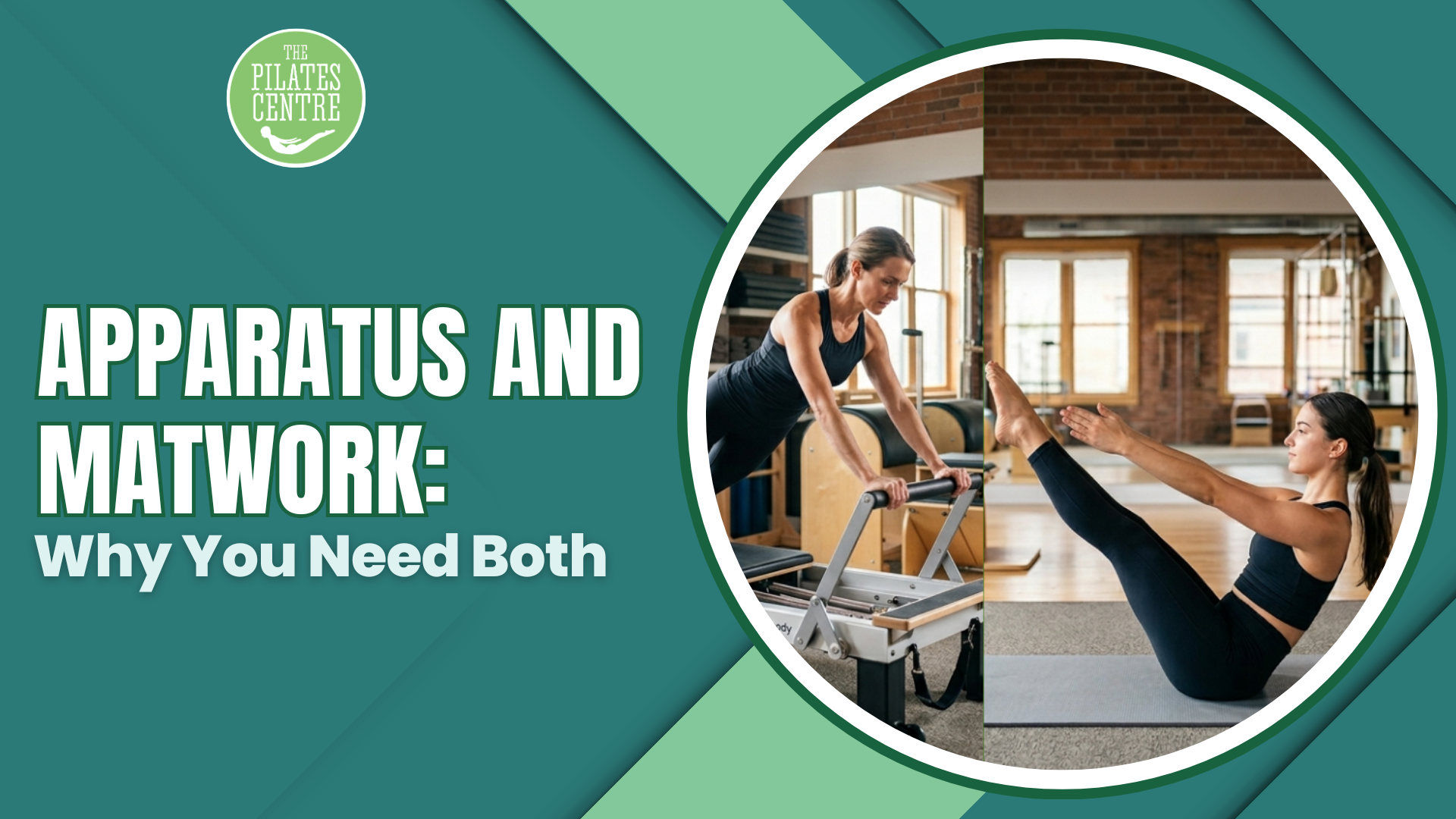
One of the most common questions people ask when starting Pilates is whether they should choose apparatus training or matwork. The truth is that this is not an either-or decision.
Joseph Pilates did not create matwork and apparatus as separate methods. He designed them to work together as one complete system. Each serves a unique purpose, and both are essential for developing strength, control, flexibility, coordination, and body awareness.
The Pilates Method Was Designed as a Complete System
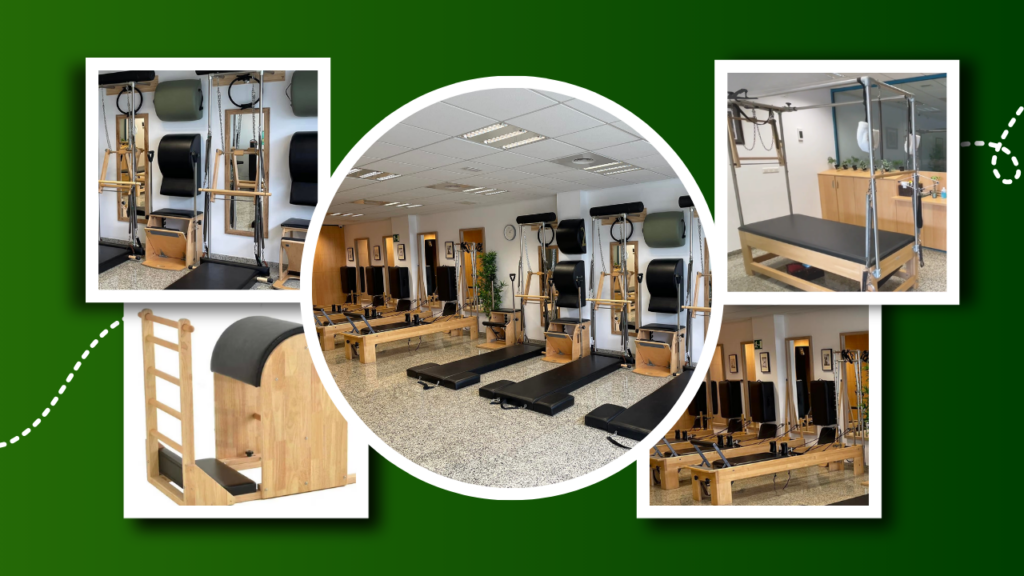
The Pilates method includes both mat exercises and specialized apparatus such as the Reformer, Cadillac, Wunda Chair, Ladder Barrel, and Spine Corrector.
Each piece of equipment was carefully designed to teach specific movement patterns, provide feedback, and challenge the body in different ways. At the same time, matwork develops control and strength using only the body’s own resistance.
When practiced together, they create a more comprehensive and effective movement experience.
What Matwork Teaches
Matwork is often described as the foundation of Pilates. Without the support of equipment, practitioners learn to control their bodies through precision, concentration, breath, and core engagement.
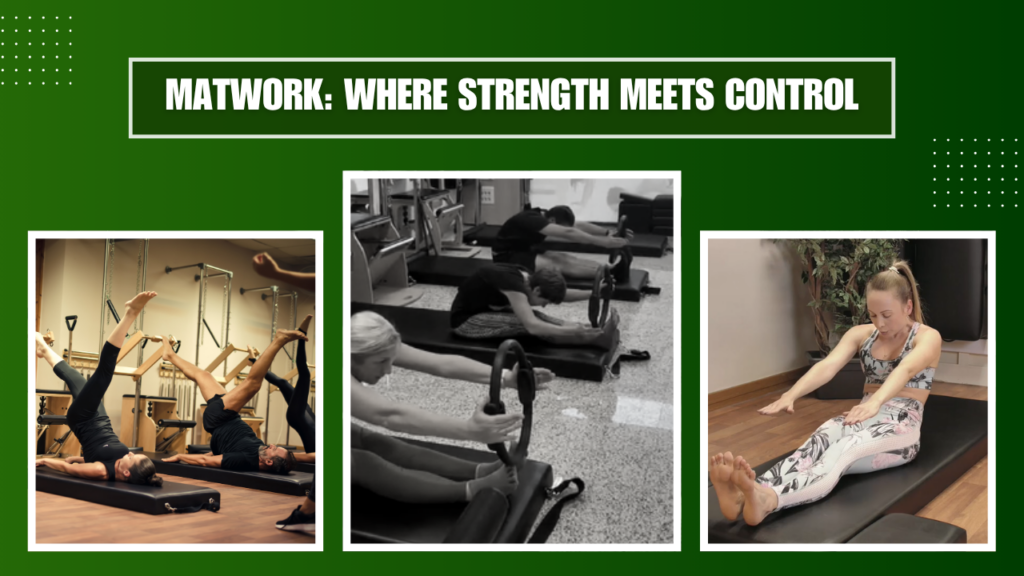
Matwork helps develop
- Deep core strength
- Body awareness
- Coordination
- Endurance
- Movement control
Because there is no external assistance, matwork challenges the body to maintain alignment and stability independently.
What the Apparatus Adds
The Pilates apparatus provides opportunities that matwork alone cannot offer.
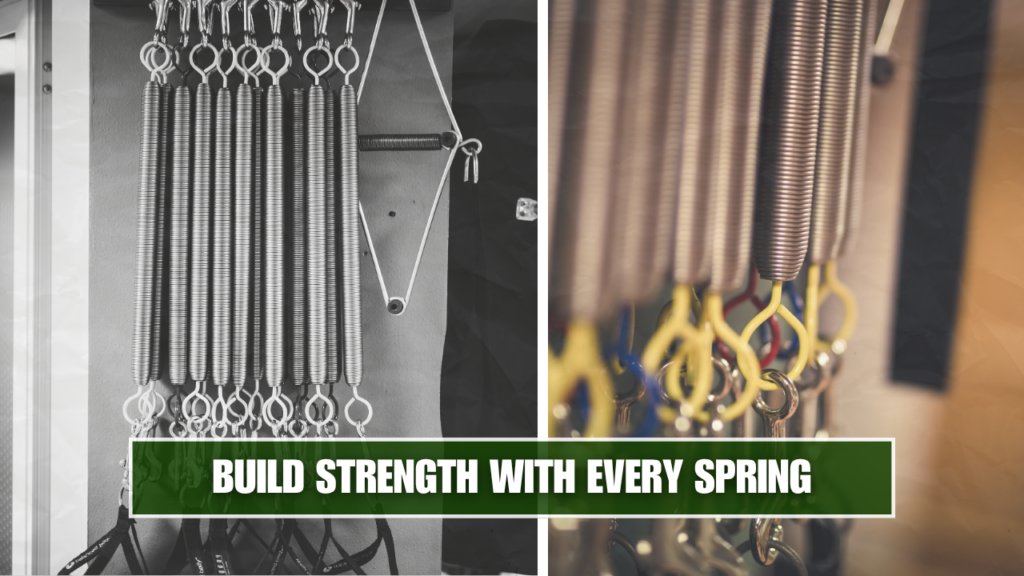
Using spring resistance, the equipment can both support and challenge the body. It helps clients understand movement patterns, improve alignment, and develop balanced strength throughout the body.
The apparatus helps:
- Build strength through progressive resistance
- Improve movement quality
- Enhance mobility and flexibility
- Provide valuable movement feedback
- Support rehabilitation and injury prevention
- Challenge balance and coordination
The equipment often reveals movement habits and compensations that may not be obvious during matwork alone.
Why Both Are Essential
Matwork and apparatus training complement one another.
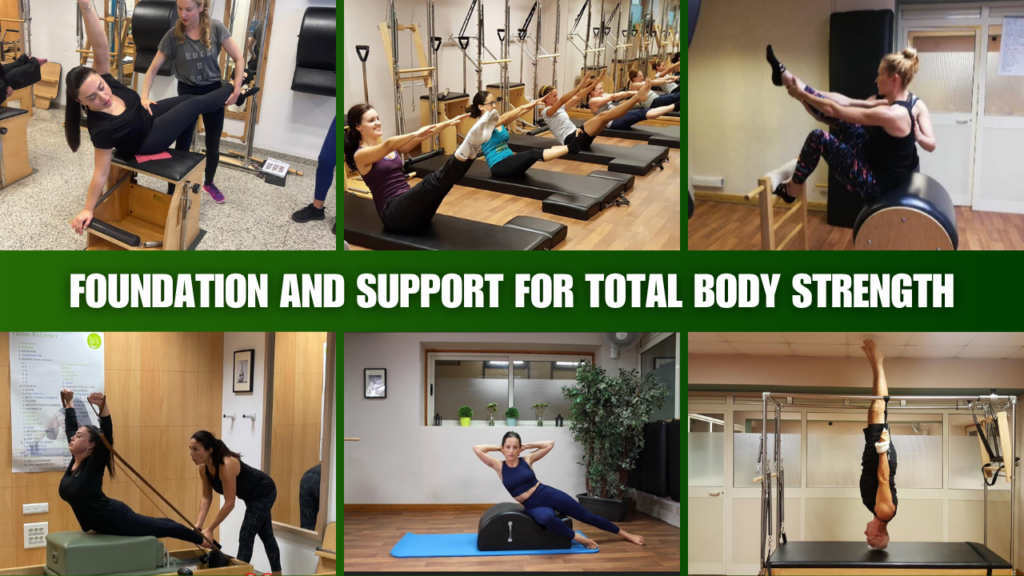
The apparatus helps teach and refine movement patterns that transfer directly into mat exercises. In turn, matwork challenges practitioners to apply those skills without the assistance of equipment.
One develops skills that strengthen the other.
A practitioner who only performs matwork may miss the unique feedback and resistance provided by the apparatus. Likewise, someone who only uses the equipment may not fully develop the independence and control that matwork requires.
Together, they create a balanced and complete Pilates practice.
Pilates Is More Than an Exercise Class
Joseph Pilates envisioned his method as a system of physical conditioning that would strengthen the body, improve posture, increase vitality, and support overall wellbeing.
The apparatus and matwork are not separate options competing for attention. They are interconnected parts of the same method, each contributing something valuable to the whole.
To truly experience Pilates as it was designed, both are needed.
Experience the Complete Pilates Method
At our studio we believe in teaching Pilates as a complete system. By combining apparatus training with matwork, clients gain a deeper understanding of movement, build balanced strength, and experience the full benefits of the Pilates method.
Whether you are a beginner or an experienced practitioner, incorporating both matwork and apparatus training can help you move better, feel stronger, and achieve lasting results.
Contact us to learn more about our classes and discover the benefits of a complete Pilates practice.
+34 610 30 60 05
info@pilatescentre.es

John McCallum
is an esteemed, Fully Certified Comprehensive Classical Pilates Teacher and takes immense pride as the proprietor of the distinguished Pilates Centre located in Jalon, Spain. His remarkable journey in the realm of Pilates commenced back in 2006, a pivotal juncture when he confronted the diagnosis of three slipped discs in his lower back. Pilates emerged as a beacon of profound hope and rejuvenation in his life. Instead of succumbing to the prospect of surgical intervention, Pilates gracefully assumed the role of his lifeline.
This transformative experience impelled him to make a resolute decision that would reshape his life’s trajectory. Following his journey to become a Pilates Teacher, he passionately extended the benefits he had personally garnered to those in need. This also took him to travel to other countries to continue to learn and have a fuller understanding of the method.
Fueled by an unwavering passion for Pilates, he has forged a dynamic collaboration with a reputable research institution. This strategic alliance enables him to deliver precise and illuminating insights, fostering support and empowerment for individuals interested in the power of this method. His literary contributions have garnered distinction within an array of esteeme.