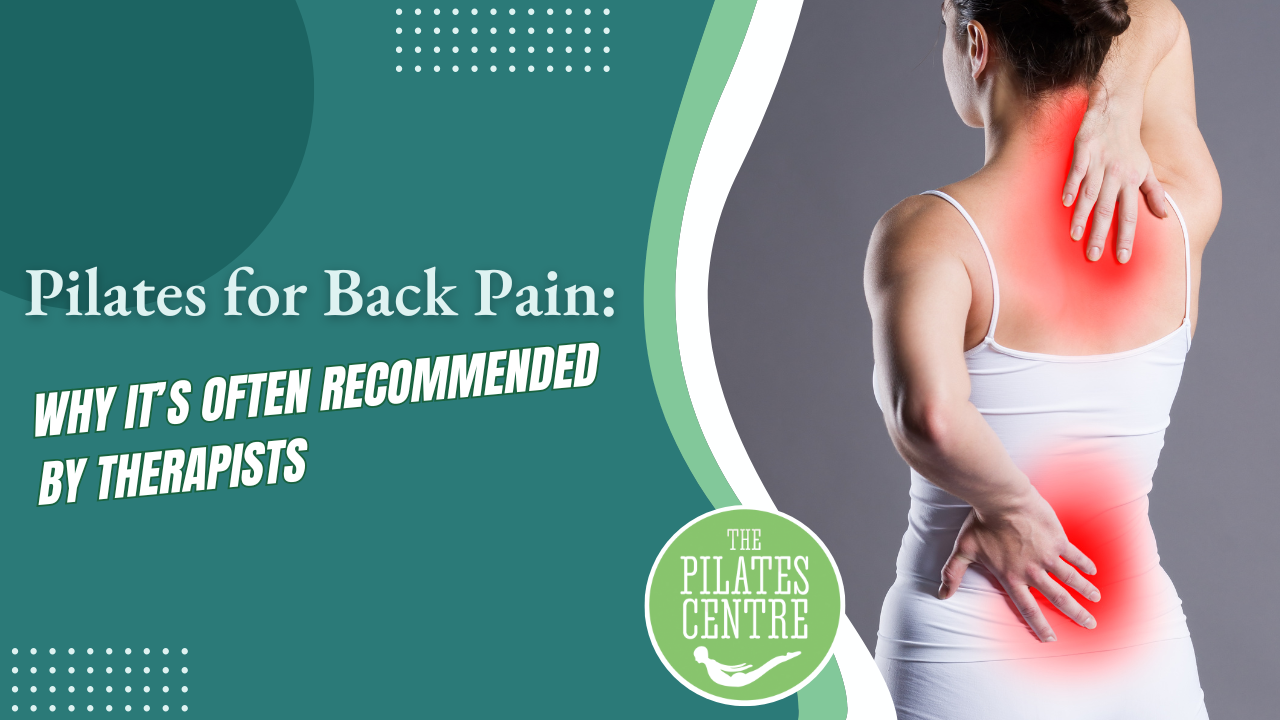
Back pain is one of the most common reasons people seek help from physiotherapists, osteopaths, or movement professionals. And one approach that consistently stands out in supporting recovery and prevention? Pilates.
But why do so many therapists recommend Pilates for those dealing with back discomfort—and what makes it different from general exercise?
Let’s explore the reasons this method has earned its reputation as a back-care essential.
A Method That Builds from the Centre
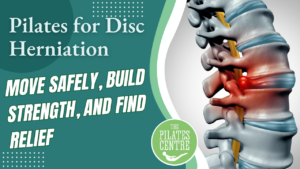
At the heart of Pilates is a focus on the core—not just your abdominals, but a whole system of deep muscles that support the spine, pelvis, and posture. When these muscles are weak or imbalanced, the back often bears the burden, leading to pain or strain.
Pilates teaches you to:
- Engage your core correctly and functionally
- Stabilise your pelvis and spine through mindful movement
- Build strength and length without compressing the joints
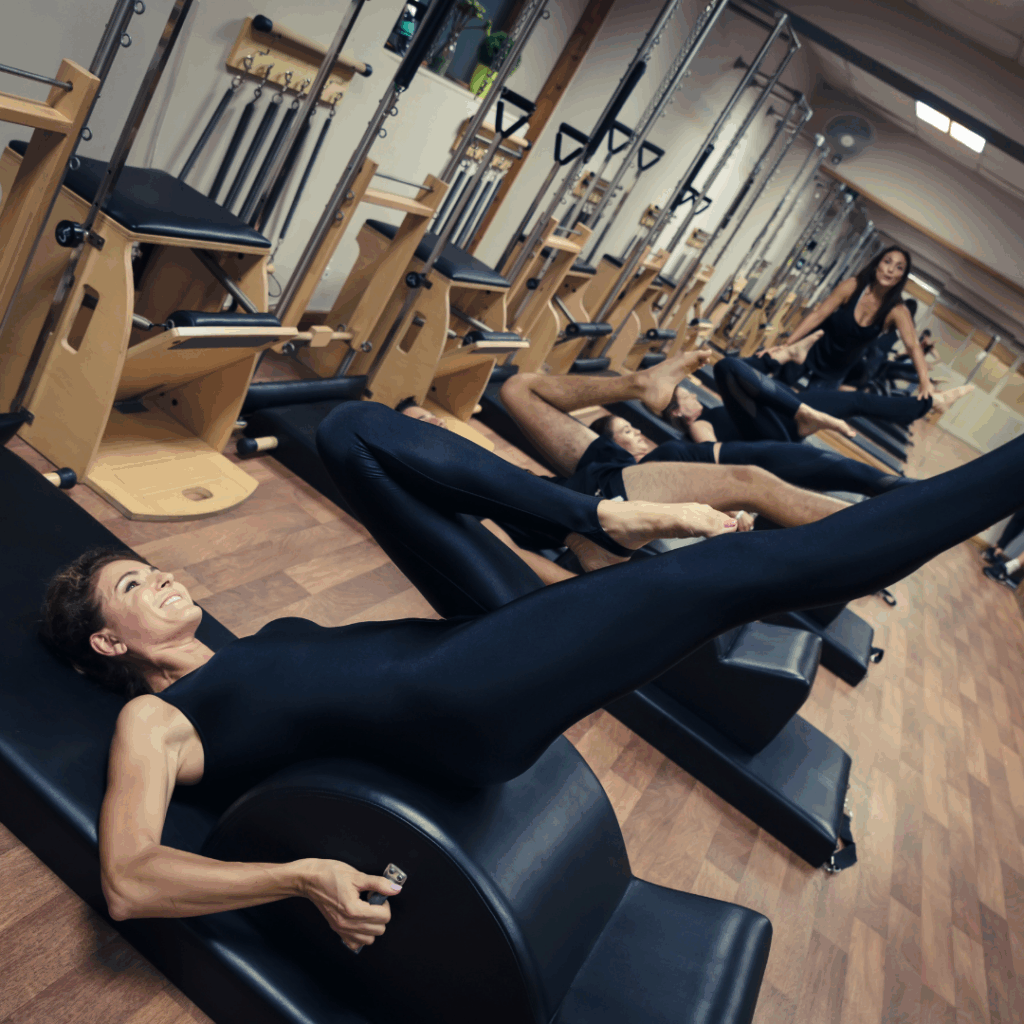
These foundations reduce unnecessary tension in the back and create better alignment—key for long-term relief and prevention.
It’s Gentle—but Effective
One of the reasons therapists trust Pilates is because it can be tailored to any stage of recovery.
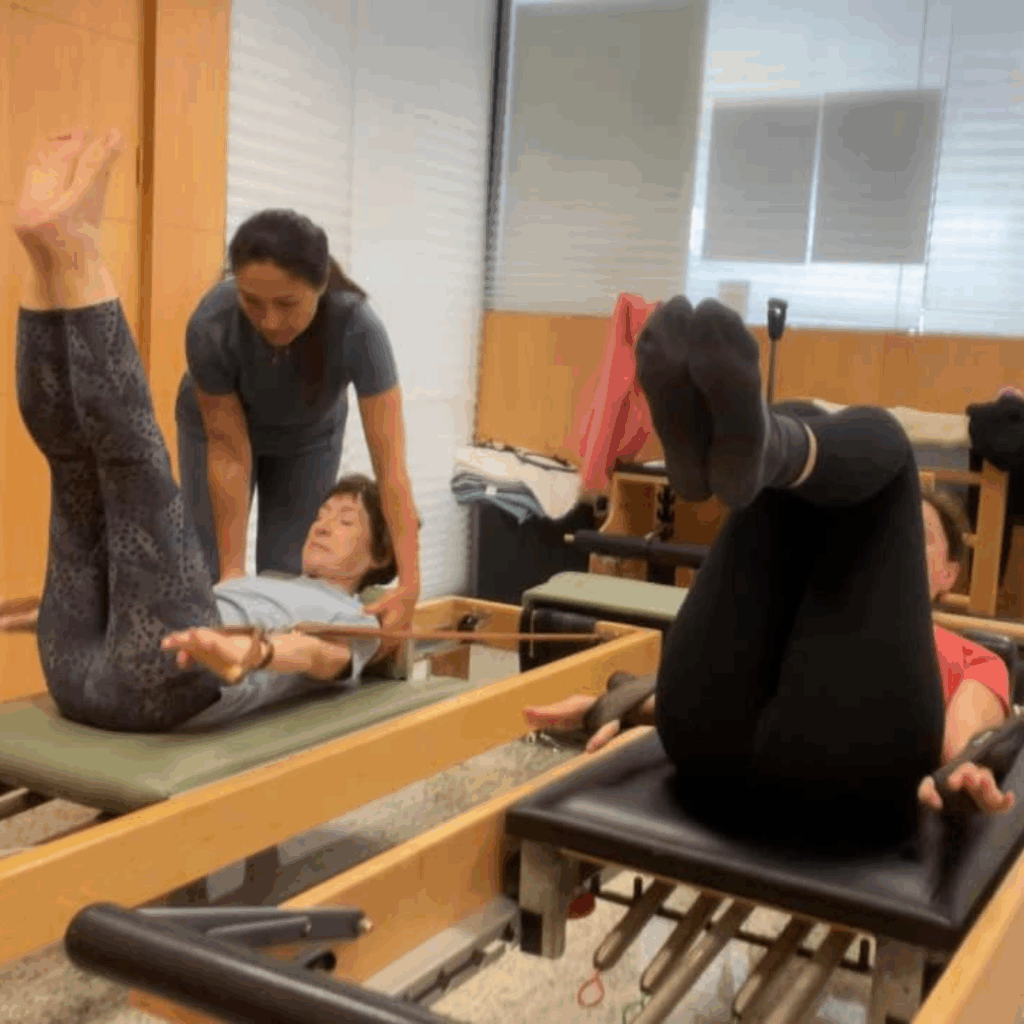
Instructors at Pilates Centre understand how to work safely with those experiencing pain or limitations.
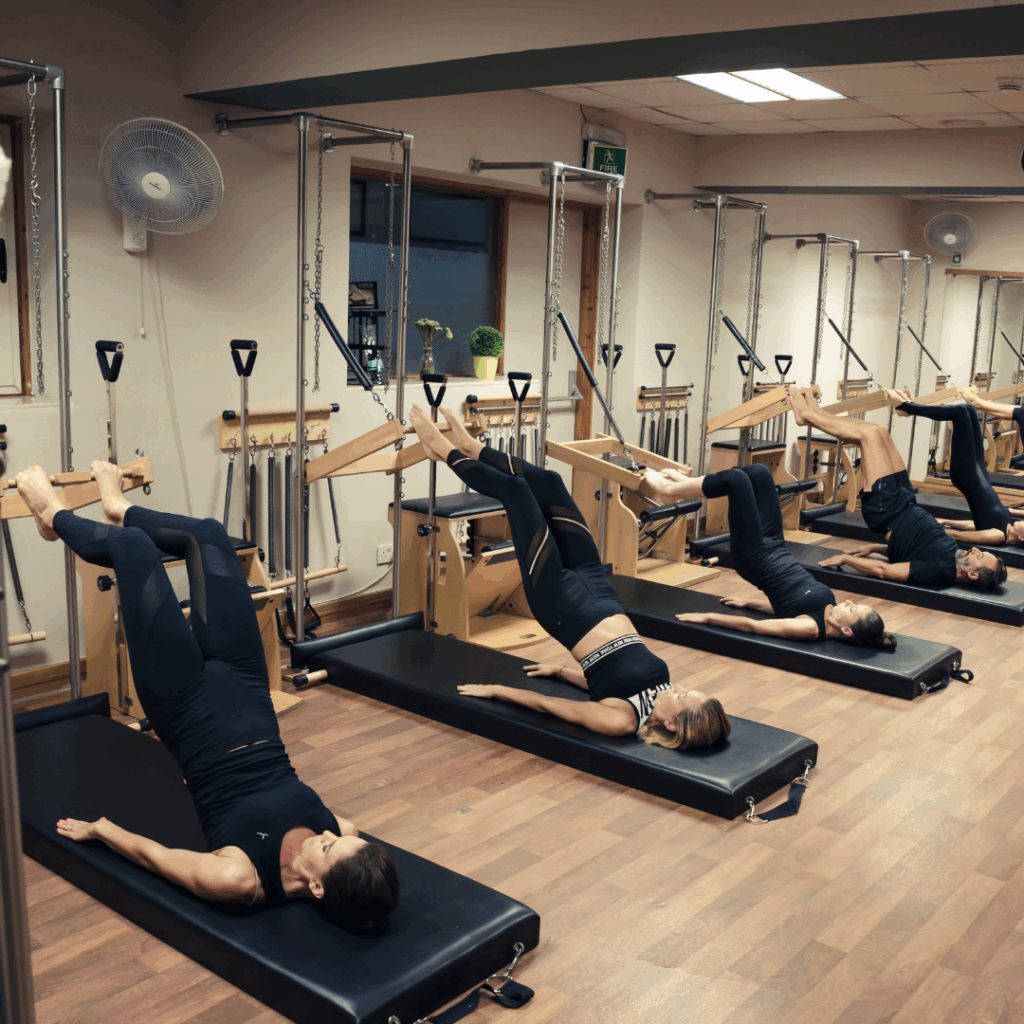
Using spring-based equipment (like the Reformer or Cadillac) allows for controlled resistance and support, so clients can move with precision—without aggravating their symptoms.
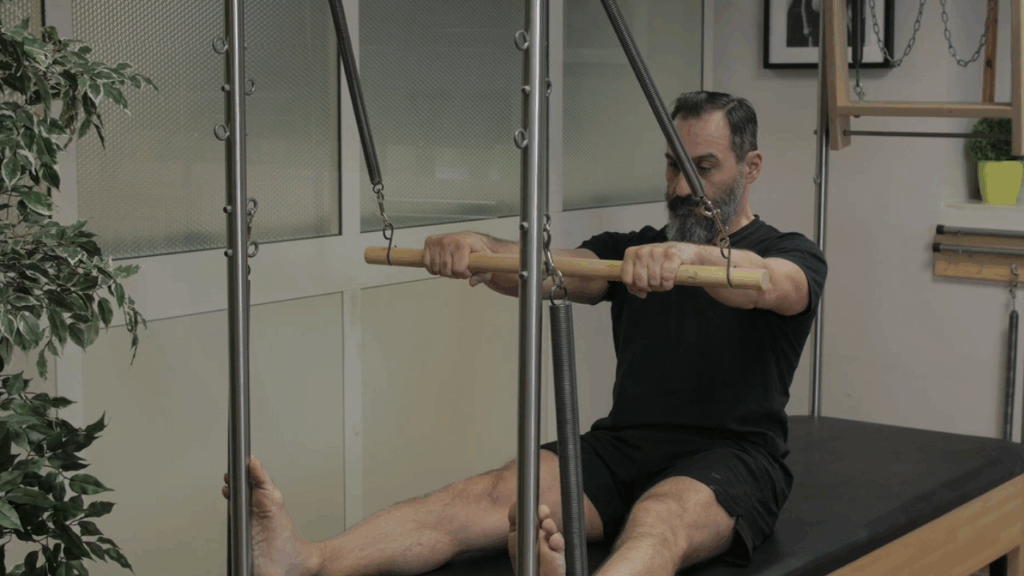
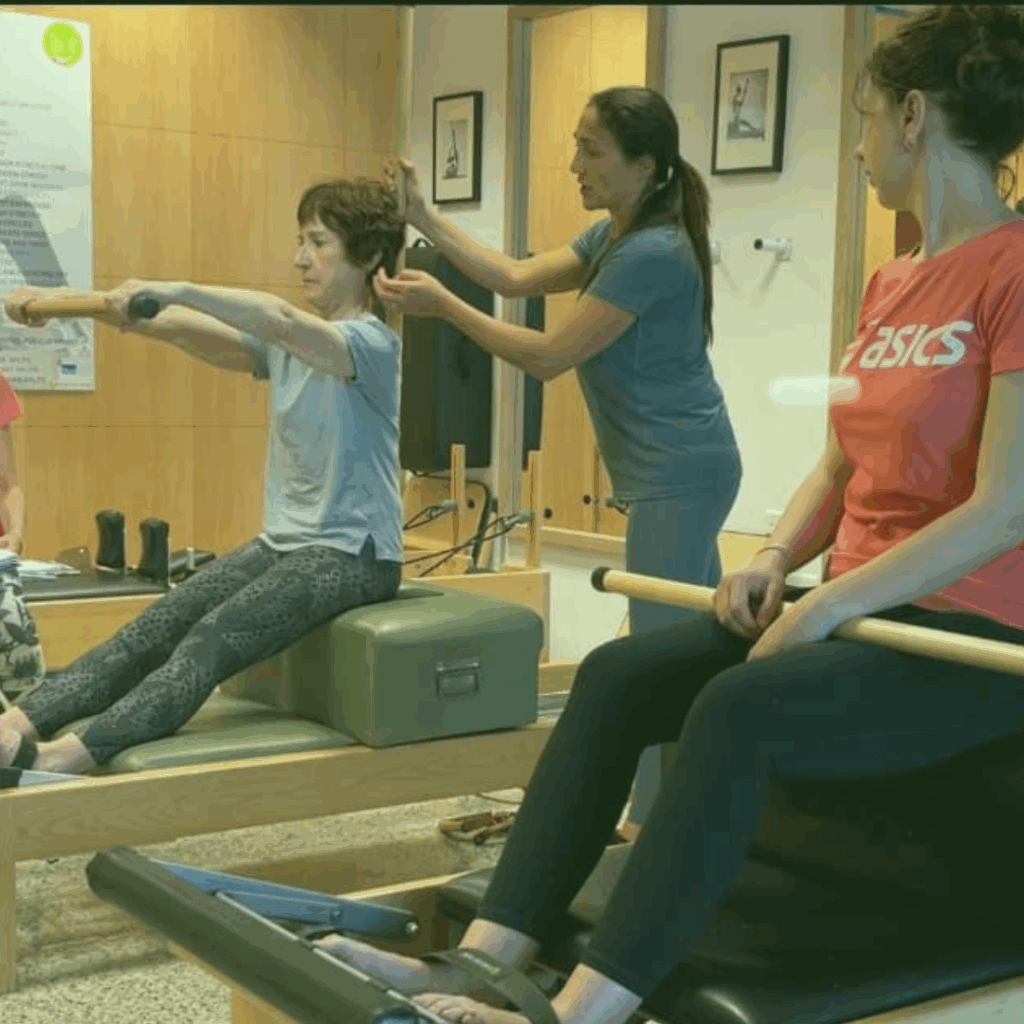
It’s not about pushing through pain. It’s about re-educating the body to move smarter, not harder.
Mind-Body Awareness: A Missing Link in Back Pain
Chronic back pain is often more than just a physical issue—it’s also tied to stress, posture habits, and even nervous system sensitivity.
Pilates places strong emphasis on:
- Breathwork to calm the nervous system
- Concentration to improve body awareness
- Flow and control to reconnect mind and movement
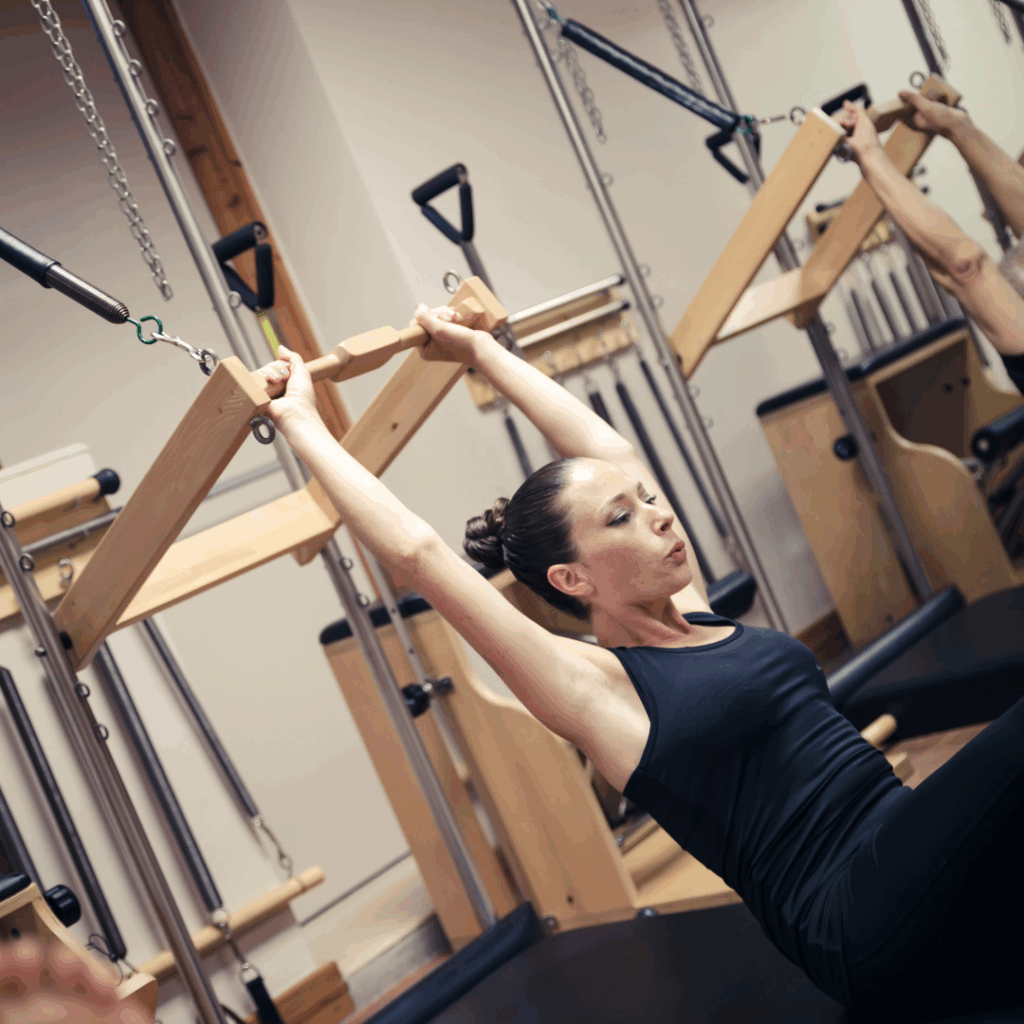
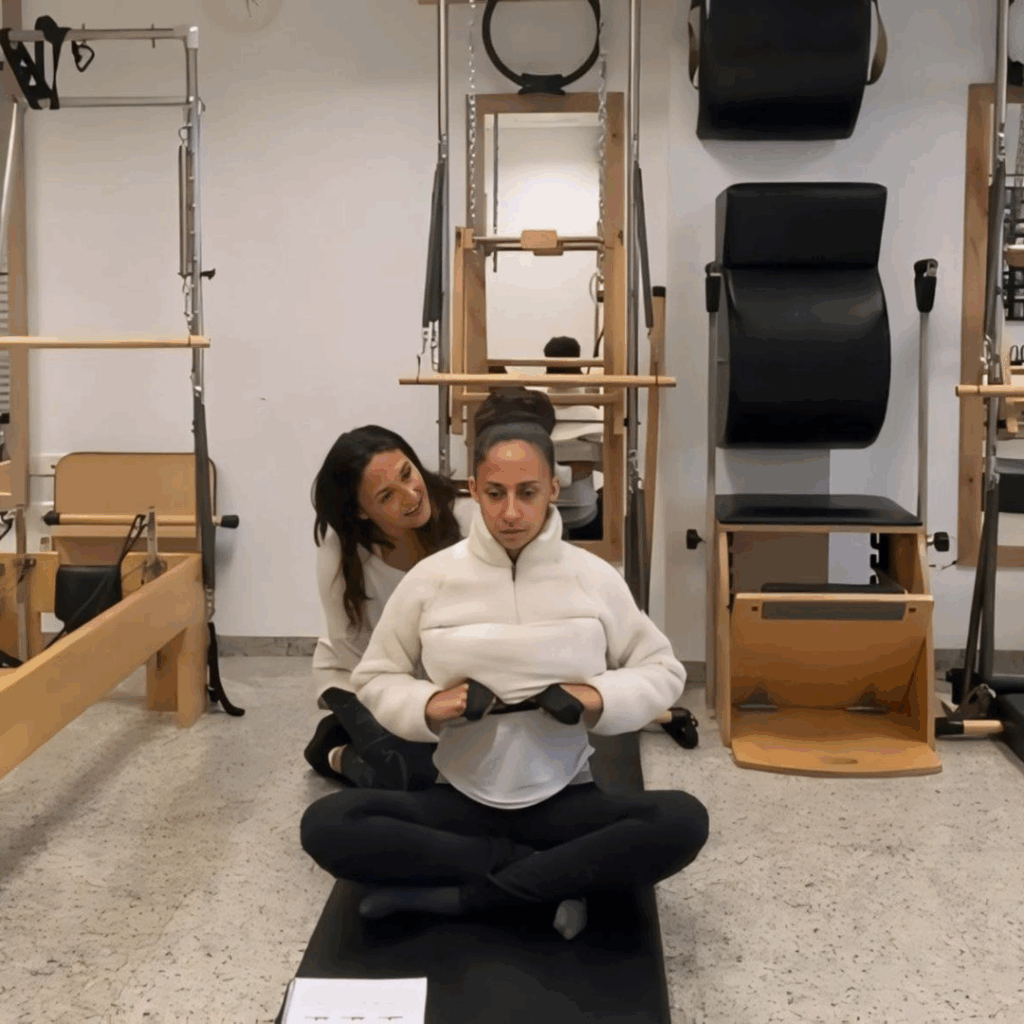
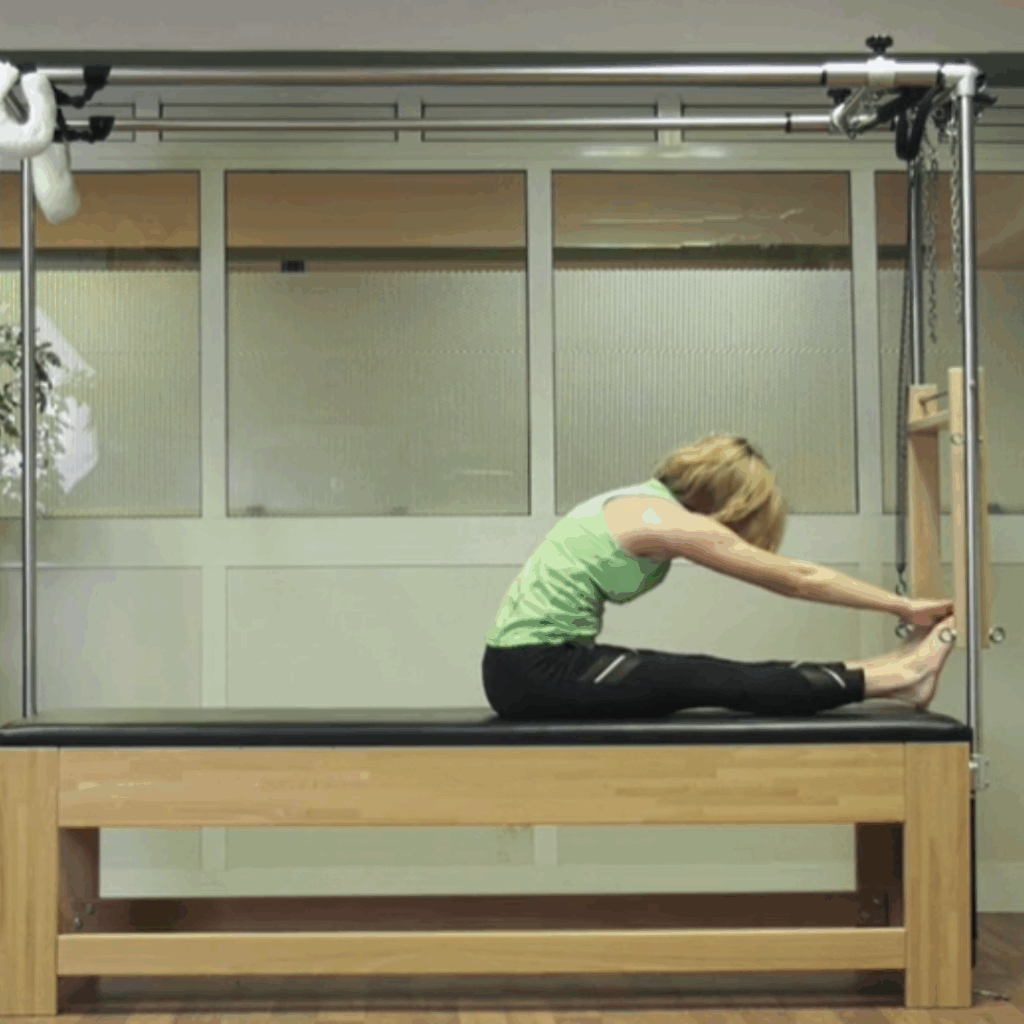
This mind-body approach is one reason many clients feel more in tune with their posture and pain triggers after just a few sessions.
Movement is Medicine—When Done Right
Therapists don’t just recommend Pilates for the sake of movement—they recommend it because it teaches people how to move better, with awareness, control, and support.
At Pilates Centre, our team specialises in working with real bodies—including those recovering from injuries or managing back issues. We take a personalized approach, ensuring every session is adapted to meet you where you are.
Whether you’re looking to ease existing discomfort or prevent future flare-ups, Pilates can be a powerful ally in your back-care journey.
Reach out: info@pilatescentre.es
Call us: +34 610 30 60 05

John McCallum
is an esteemed, Fully Certified Comprehensive Classical Pilates Teacher and takes immense pride as the proprietor of the distinguished Pilates Centre located in Jalon, Spain. His remarkable journey in the realm of Pilates commenced back in 2006, a pivotal juncture when he confronted the diagnosis of three slipped discs in his lower back. Pilates emerged as a beacon of profound hope and rejuvenation in his life. Instead of succumbing to the prospect of surgical intervention, Pilates gracefully assumed the role of his lifeline.
This transformative experience impelled him to make a resolute decision that would reshape his life’s trajectory. Following his journey to become a Pilates Teacher, he passionately extended the benefits he had personally garnered to those in need. This also took him to travel to other countries to continue to learn and have a fuller understanding of the method.
Fueled by an unwavering passion for Pilates, he has forged a dynamic collaboration with a reputable research institution. This strategic alliance enables him to deliver precise and illuminating insights, fostering support and empowerment for individuals interested in the power of this method. His literary contributions have garnered distinction within an array of esteeme.