Pilates was never created to be a trend, a quick fix, or a constantly changing workout. Joseph Pilates developed the method as a complete and intelligent system designed to strengthen the body, improve control, increase flexibility, and support long-term health. As Pilates has grown in popularity over the years, different interpretations have emerged. Today, the two most commonly discussed approaches are Classical Pilates and Contemporary Pilates. Understanding the difference between them helps you make more informed decisions about how you move, train, and care for your body.
The Structure and Integrity of the Classical System
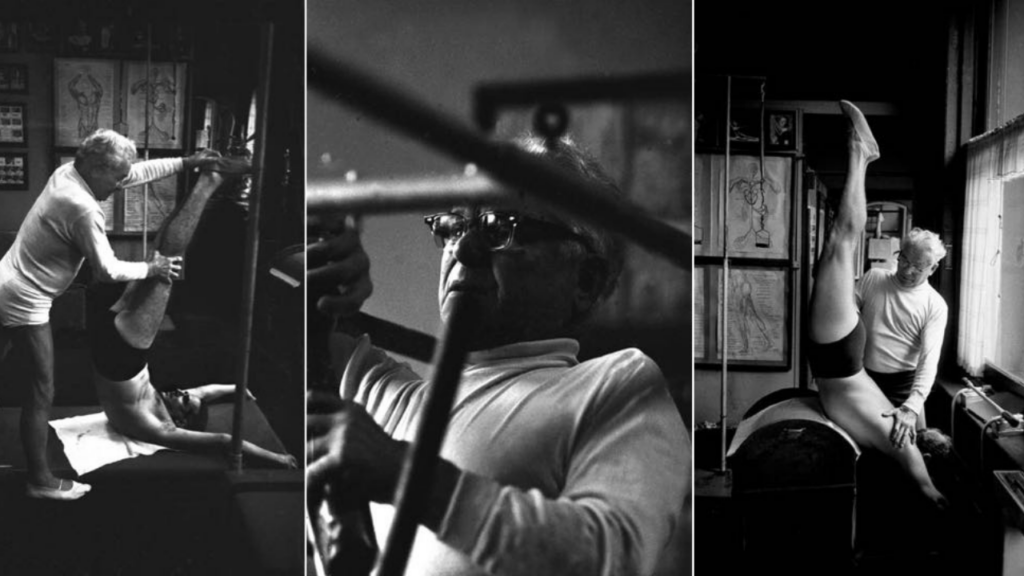
Classical Pilates follows the work exactly as Joseph Pilates taught it. The exercises are performed in a specific order, with each movement carefully designed to prepare the body for the next. This structure is intentional. It allows strength, mobility, coordination, and control to develop progressively and safely over time. Precision is central to the work. How you move, how you breathe, and how you transition between exercises all matter. The original apparatus, including the Reformer, Cadillac, Wunda Chair, and Barrels, are used as part of the full system, not as separate or interchangeable tools. The consistency of Classical Pilates allows the body to learn, adapt, and improve without confusion or unnecessary variation.
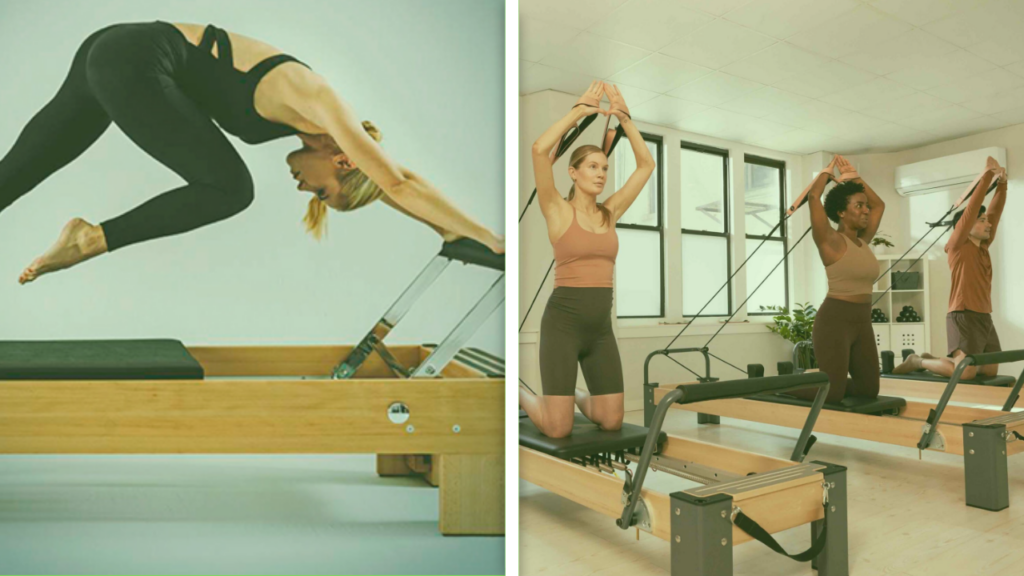
Contemporary Pilates is often described as being rooted in the original principles while allowing more flexibility. Exercises may be modified, reordered, or influenced by modern movement theories and fitness trends. While thoughtful adaptation can be useful when applied with deep understanding, issues arise when exercises are changed to the point that their original intention is lost.
This includes combining multiple pieces of equipment, layering props unnecessarily, or creating complex variations that fall outside the original system. When such approaches are taught by teachers who are not fully certified, qualified, or experienced, the chances of accidents increase significantly. Pilates equipment was designed to be used with clarity and purpose, not stacked, blended, or reinvented for novelty.
Why We Stay True to the Original Work
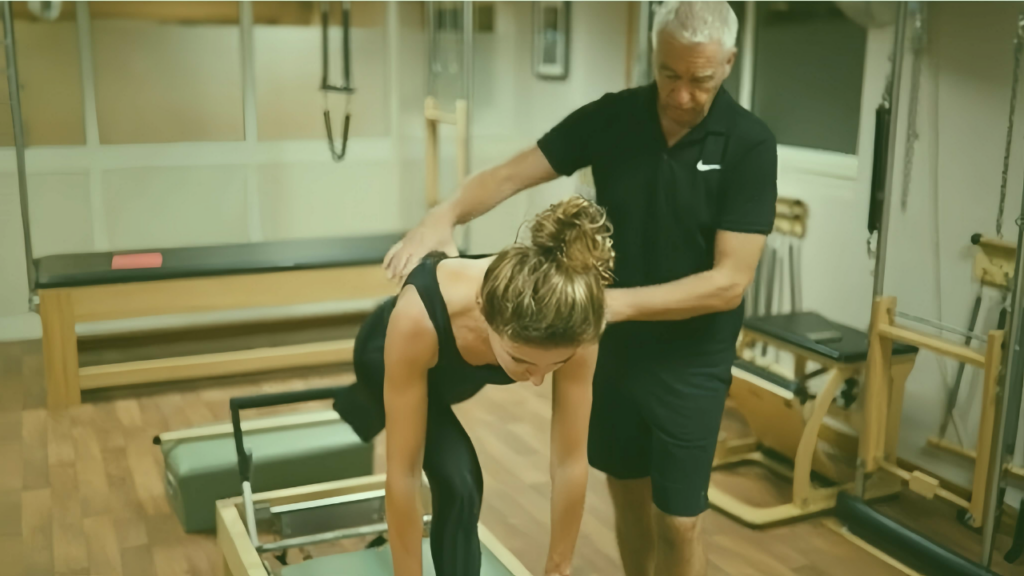
At the Pilates Centre, our work is grounded in Classical Pilates. We respect the original method and the depth of knowledge behind it, while teaching the body in front of us with care and experience. We do not rush movement, dilute the exercises, or turn Pilates into something it was never meant to be. Instead, we guide each person through the system in a way that supports strength, clarity of movement, and longevity. This approach allows Pilates to do what it was designed to do, helping the body move better, feel stronger, and remain resilient over time.
Discover Classical Pilates and experience the difference of working within the original system.
info@pilatescentre.es
www.pilatescentre.es
+34 610 30 60 05

John McCallum
is an esteemed, Fully Certified Comprehensive Classical Pilates Teacher and takes immense pride as the proprietor of the distinguished Pilates Centre located in Jalon, Spain. His remarkable journey in the realm of Pilates commenced back in 2006, a pivotal juncture when he confronted the diagnosis of three slipped discs in his lower back. Pilates emerged as a beacon of profound hope and rejuvenation in his life. Instead of succumbing to the prospect of surgical intervention, Pilates gracefully assumed the role of his lifeline.
This transformative experience impelled him to make a resolute decision that would reshape his life’s trajectory. Following his journey to become a Pilates Teacher, he passionately extended the benefits he had personally garnered to those in need. This also took him to travel to other countries to continue to learn and have a fuller understanding of the method.
Fueled by an unwavering passion for Pilates, he has forged a dynamic collaboration with a reputable research institution. This strategic alliance enables him to deliver precise and illuminating insights, fostering support and empowerment for individuals interested in the power of this method. His literary contributions have garnered distinction within an array of esteeme.