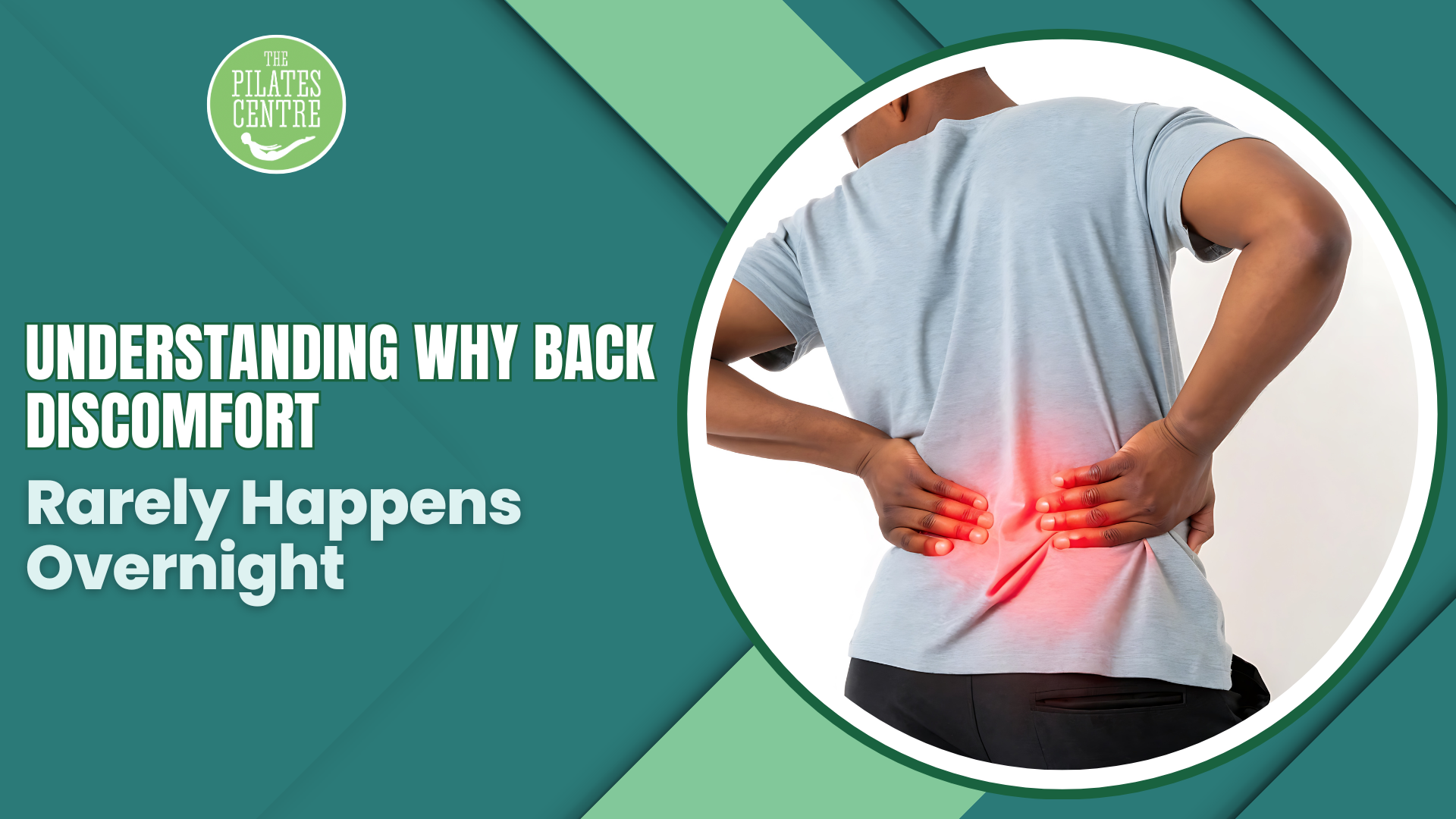
Back discomfort is one of the most common reasons people seek movement support, yet it rarely comes from one single event. More often, it develops gradually through the way we move, sit, stand, and carry ourselves every day. Small habits, repeated over time, can place unnecessary strain on the spine and surrounding muscles.
How Modern Lifestyles Quietly Change the Way We Move

Modern life encourages limited and repetitive movement. Long hours sitting, looking down at screens, or standing with poor alignment can slowly change how the body functions. When certain muscles become overworked and others underused, the body loses balance. The spine, which relies on coordinated support from the entire body, often takes the impact.
The Loss of Body Awareness in Everyday Movement
Poor movement habits also reduce body awareness. Many people move without noticing how they initiate movement, how they distribute weight, or how they support themselves during simple tasks like bending, walking, or reaching. Without awareness, inefficient patterns become automatic, creating tension and unnecessary load on the back.
When the body continues to rely on the same inefficient movement strategies, tension builds rather than resolves. Over time, these patterns limit mobility, reduce coordination, and place extra demand on the spine. What begins as mild discomfort can gradually become a recurring issue when movement habits remain unchanged.
How Pilates Helps Restore Organisation and Control in the Body
Pilates addresses these habits by focusing on how the body moves, not just how it looks. The method encourages controlled, precise movement that builds strength from the centre while supporting proper alignment. As movement becomes more organised and balanced, the body often experiences less strain and greater ease in daily activities.
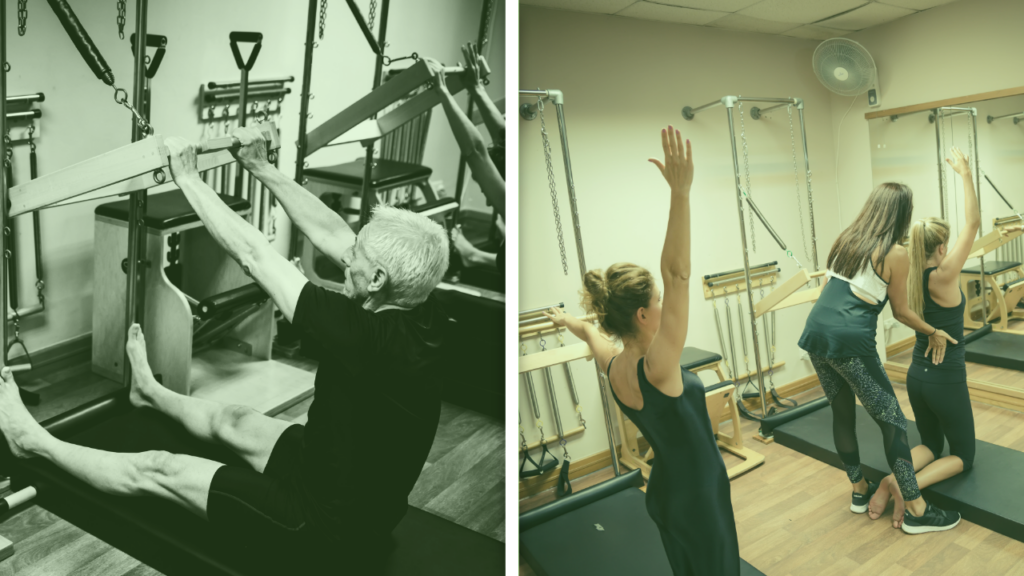
The benefits of improved movement extend far beyond the studio. As awareness and control develop, everyday activities such as walking, lifting, and sitting often feel more supported and efficient. Pilates helps create movement habits that the body can rely on throughout the day, not just during exercise.
A Long-Term Approach to Supporting the Spine
Improving movement habits is not about chasing quick relief. It is about developing sustainable patterns that support the spine over time. Consistency, quality, and attention to detail play an important role in maintaining healthy movement and long-term wellbeing.
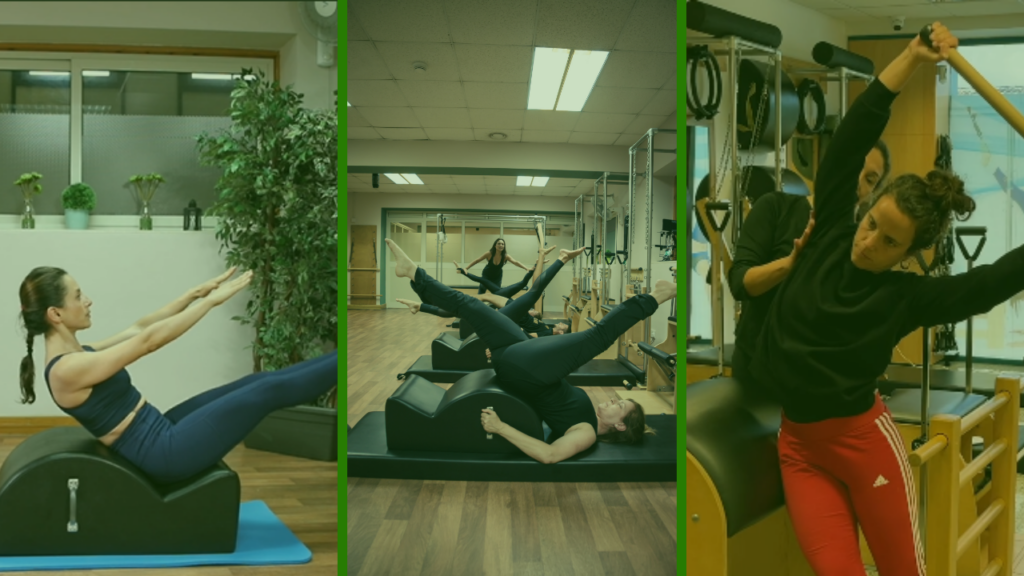
At Pilates Centre, teaching is rooted in the classical method with a strong emphasis on quality, progression, and awareness. Sessions are guided with care to help clients recognize inefficient habits and develop more supportive ways of moving. This approach encourages confidence, control, and a healthier relationship with movement over time.

John McCallum
is an esteemed, Fully Certified Comprehensive Classical Pilates Teacher and takes immense pride as the proprietor of the distinguished Pilates Centre located in Jalon, Spain. His remarkable journey in the realm of Pilates commenced back in 2006, a pivotal juncture when he confronted the diagnosis of three slipped discs in his lower back. Pilates emerged as a beacon of profound hope and rejuvenation in his life. Instead of succumbing to the prospect of surgical intervention, Pilates gracefully assumed the role of his lifeline.
This transformative experience impelled him to make a resolute decision that would reshape his life’s trajectory. Following his journey to become a Pilates Teacher, he passionately extended the benefits he had personally garnered to those in need. This also took him to travel to other countries to continue to learn and have a fuller understanding of the method.
Fueled by an unwavering passion for Pilates, he has forged a dynamic collaboration with a reputable research institution. This strategic alliance enables him to deliver precise and illuminating insights, fostering support and empowerment for individuals interested in the power of this method. His literary contributions have garnered distinction within an array of esteeme.