Introduction
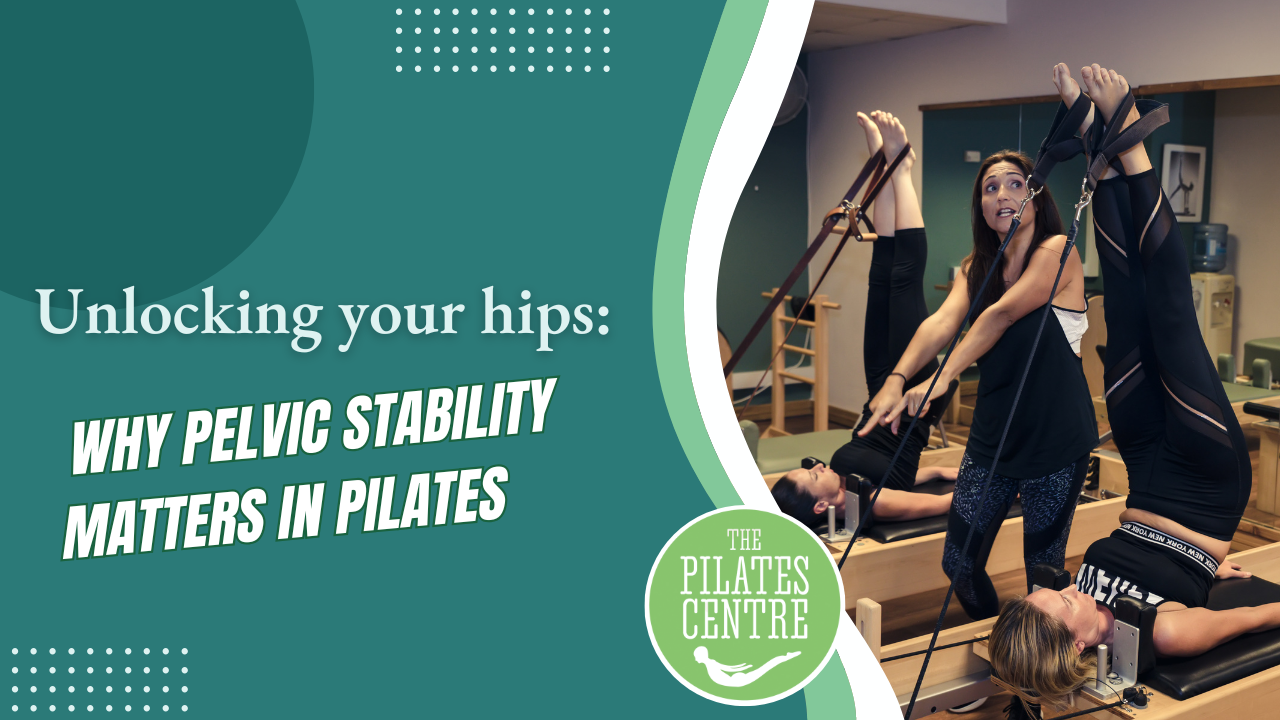
Unlocking Your Hips: Why Pelvic Stability Matters in Pilates
When it comes to movement, the pelvis doesn’t usually get the attention it deserves. Many people think of Pilates as a way to strengthen their abs, improve posture, or increase flexibility and while all of that is true, one of the biggest benefits often goes unnoticed: pelvic stability.
Your pelvis is your body’s central hub. It connects your upper and lower body, supports your spine, and allows your hips and legs to move with power and precision. Without stability here, the rest of the body can’t perform at its best.
What Is Pelvic Stability?
Pelvic stability refers to the ability to keep the pelvis controlled and supported while other parts of the body are moving. It’s not about being rigid or locked in place it’s about having the right balance of strength and mobility so that your pelvis stays aligned, even under load or during complex movements.
Think of it like the foundation of a house. If the foundation is strong and stable, the walls and roof can stand tall and balanced. If it shifts or wobbles, everything else has to work overtime to compensate and sooner or later, problems begin.
Why Pelvic Stability Matters in Pilates
Protects the Spine
An unstable pelvis often leads to excessive movement or strain in the lower back. By keeping the pelvis supported, Pilates reduces the risk of injury and creates a healthier spine
Improves Hip Mobility
Ironically, the more stable your pelvis is, the freer your hips can become. When your core supports the pelvis, the hips don’t have to “hold on” so tightly, which allows for greater ease of movement
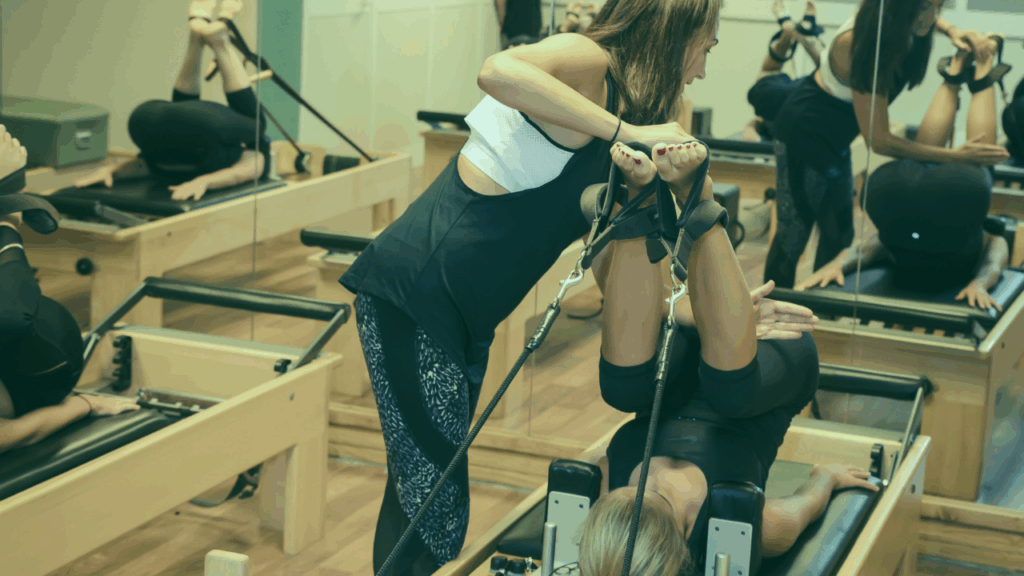
Engages the Right Muscles
Without stability, stronger muscles tend to take over while weaker ones stay inactive. Pilates teaches your body to share the workload, activating deep stabilizing muscles that often get overlooked.
Boosts Everyday Function

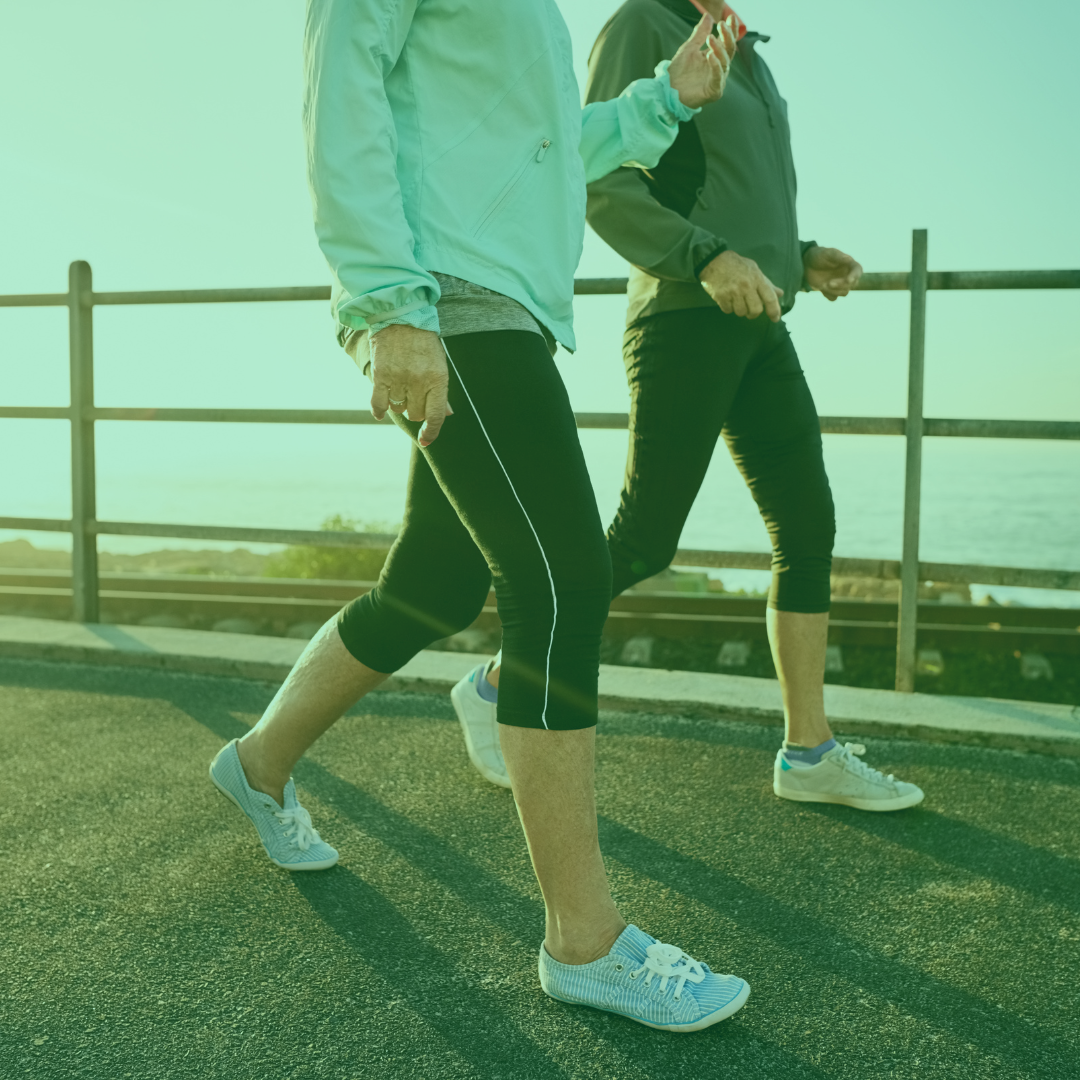
From sitting to walking to lifting groceries, pelvic stability plays a role in nearly every daily activity. Better control means less strain, smoother movement, and more confidence in your body
Supports Athletic Performance
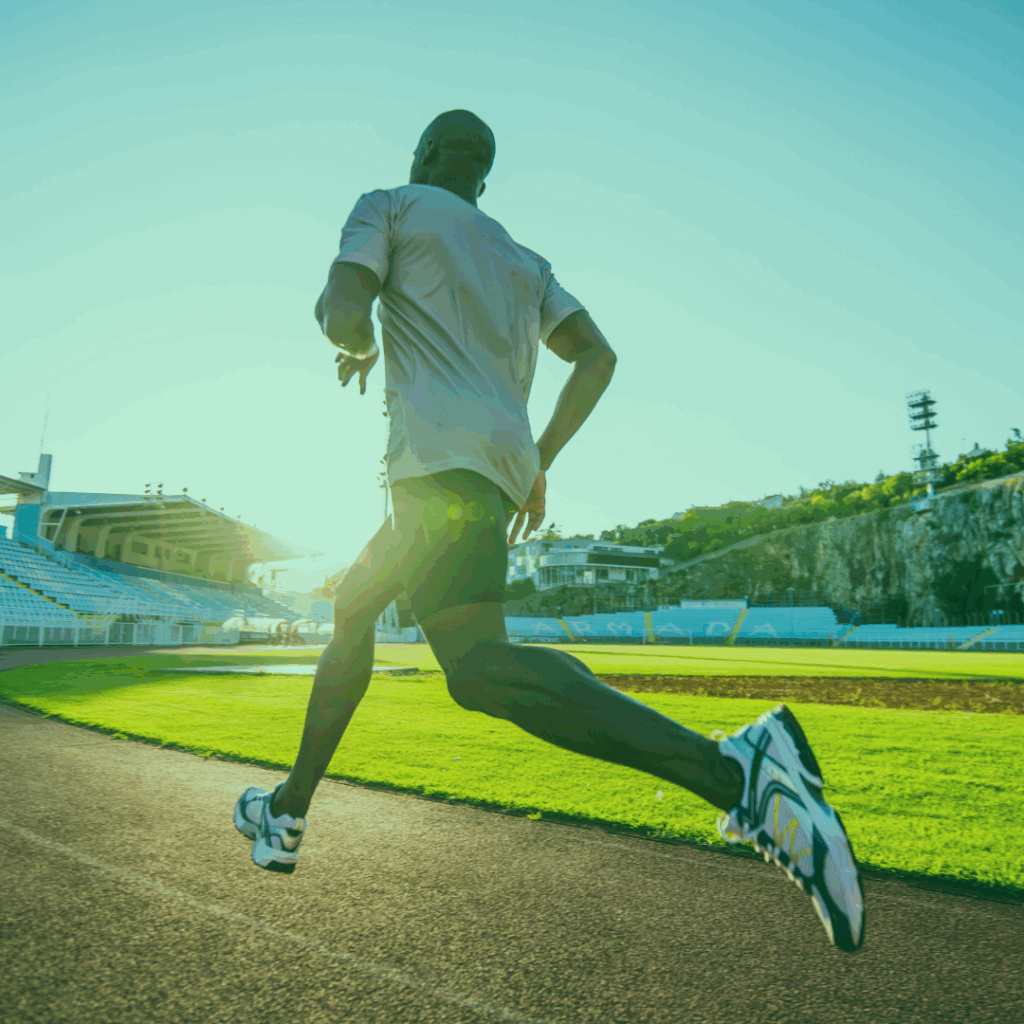
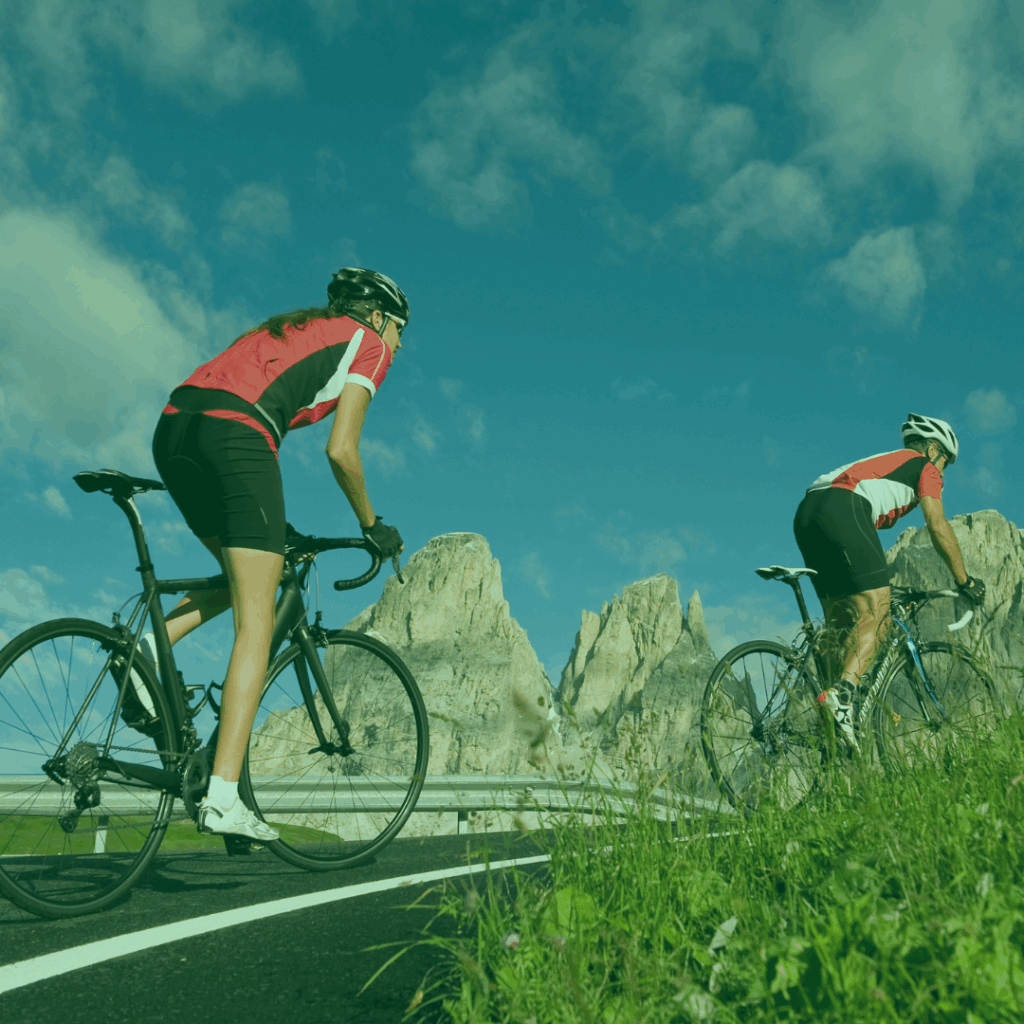

Whether you’re running, cycling, or playing sports, pelvic stability ensures that power transfers effectively through the body. It prevents wasted energy and improves performance
How Pilates Builds Pelvic Stability
Pilates is designed to bring awareness to the way you move. Many exercises focus on core activation, alignment, and controlled breathing all of which naturally build pelvic control.
- Matwork exercises like the Shoulder Bridge, Single Leg Stretch, and Dead Bug teach the body to keep the pelvis steady while the limbs move.
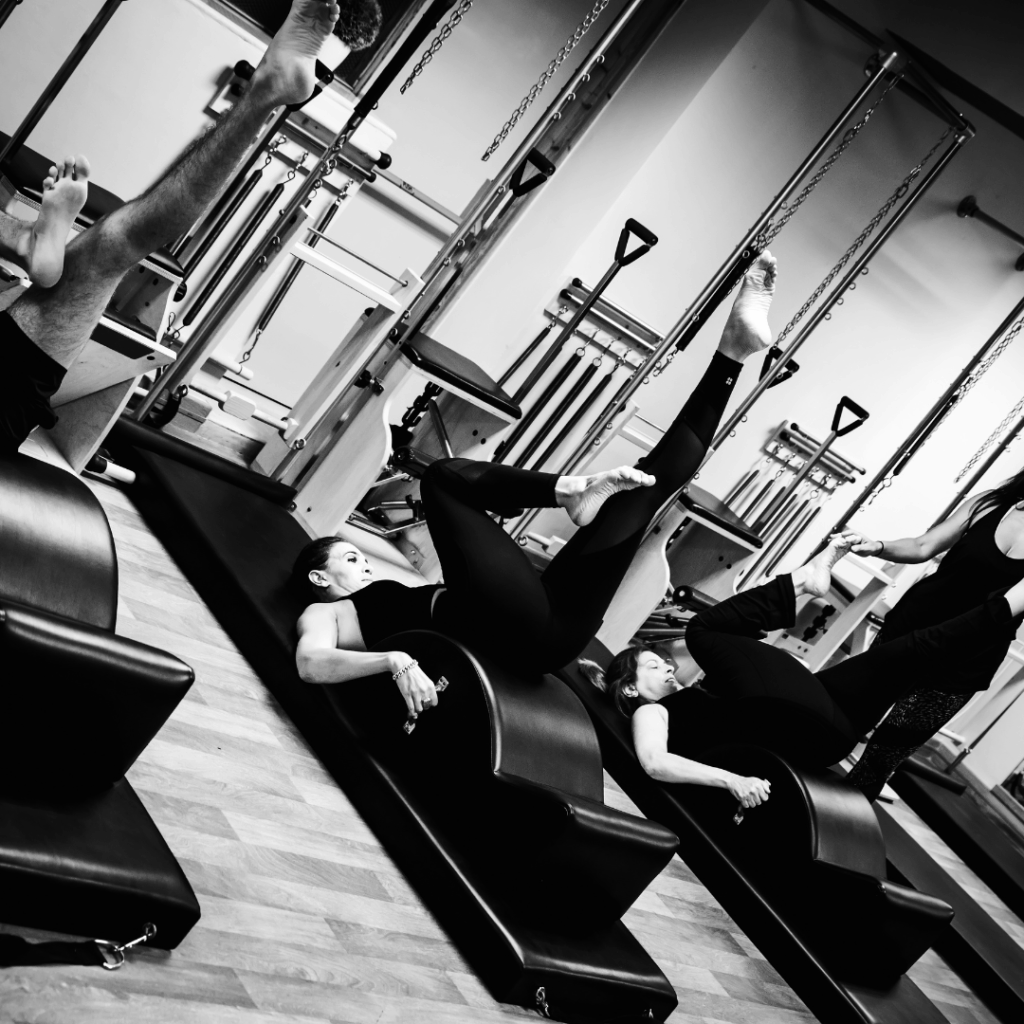
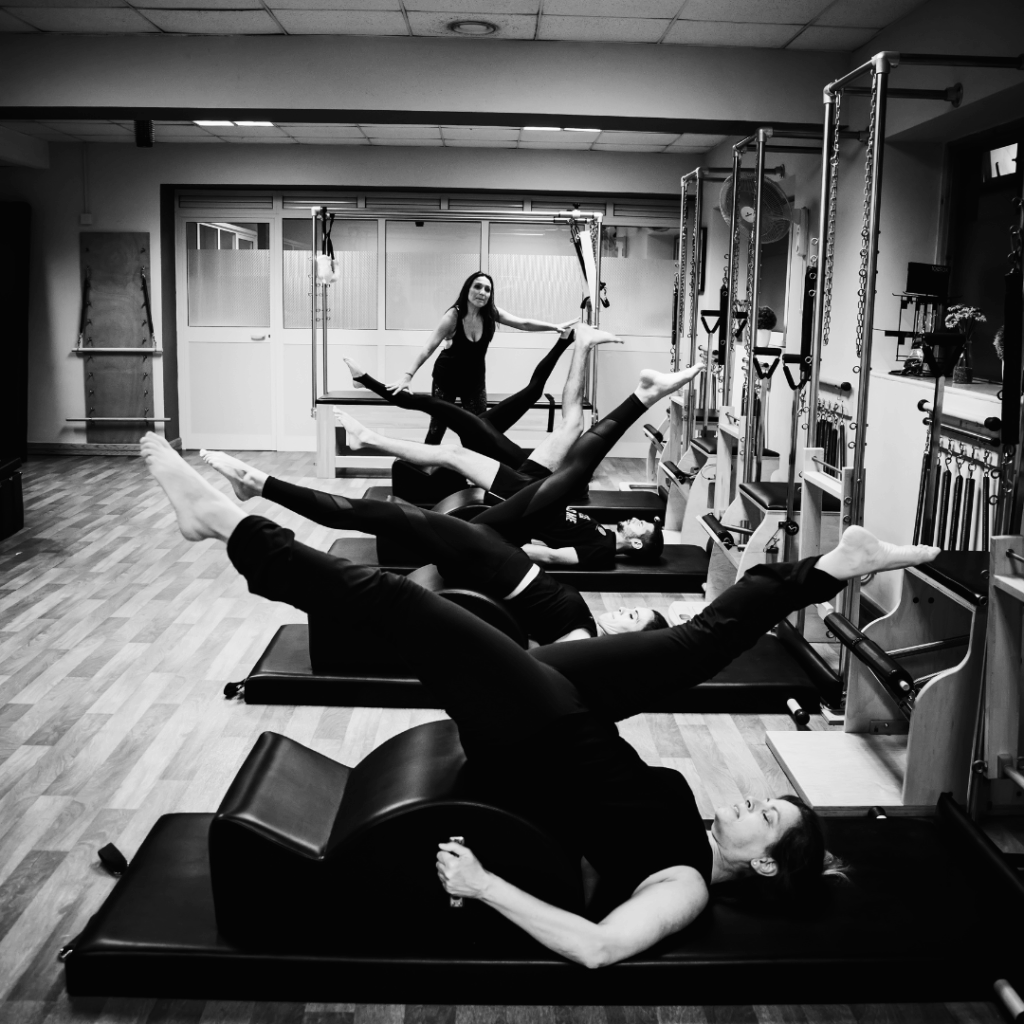
- Equipment-based work on the Reformer, Cadillac, and Wunda Chair adds resistance and support, helping to refine alignment and strength.
- Breathwork connects deep abdominal muscles with pelvic floor activation, creating stability from the inside out.
The beauty of Pilates is that it doesn’t just build strength it teaches awareness. You learn how to feel the difference between a pelvis that’s wobbling and one that’s stable, so you can apply that control to everything you do.
Final Thoughts
Pelvic stability isn’t about perfection it’s about control, awareness, and balance. When you unlock stability in your pelvis, you’ll notice changes everywhere: your hips feel freer, your posture improves, and even daily movements become more effortless.
At Pilates Centre, we specialize in teaching these subtle yet powerful techniques in small, focused sessions, ensuring every client gets the attention they need.
Ready to unlock your hips and discover the power of pelvic stability?
Book your session today: info@pilatescentre.es
+34 610 30 60 05

John McCallum
is an esteemed, Fully Certified Comprehensive Classical Pilates Teacher and takes immense pride as the proprietor of the distinguished Pilates Centre located in Jalon, Spain. His remarkable journey in the realm of Pilates commenced back in 2006, a pivotal juncture when he confronted the diagnosis of three slipped discs in his lower back. Pilates emerged as a beacon of profound hope and rejuvenation in his life. Instead of succumbing to the prospect of surgical intervention, Pilates gracefully assumed the role of his lifeline.
This transformative experience impelled him to make a resolute decision that would reshape his life’s trajectory. Following his journey to become a Pilates Teacher, he passionately extended the benefits he had personally garnered to those in need. This also took him to travel to other countries to continue to learn and have a fuller understanding of the method.
Fueled by an unwavering passion for Pilates, he has forged a dynamic collaboration with a reputable research institution. This strategic alliance enables him to deliver precise and illuminating insights, fostering support and empowerment for individuals interested in the power of this method. His literary contributions have garnered distinction within an array of esteeme.