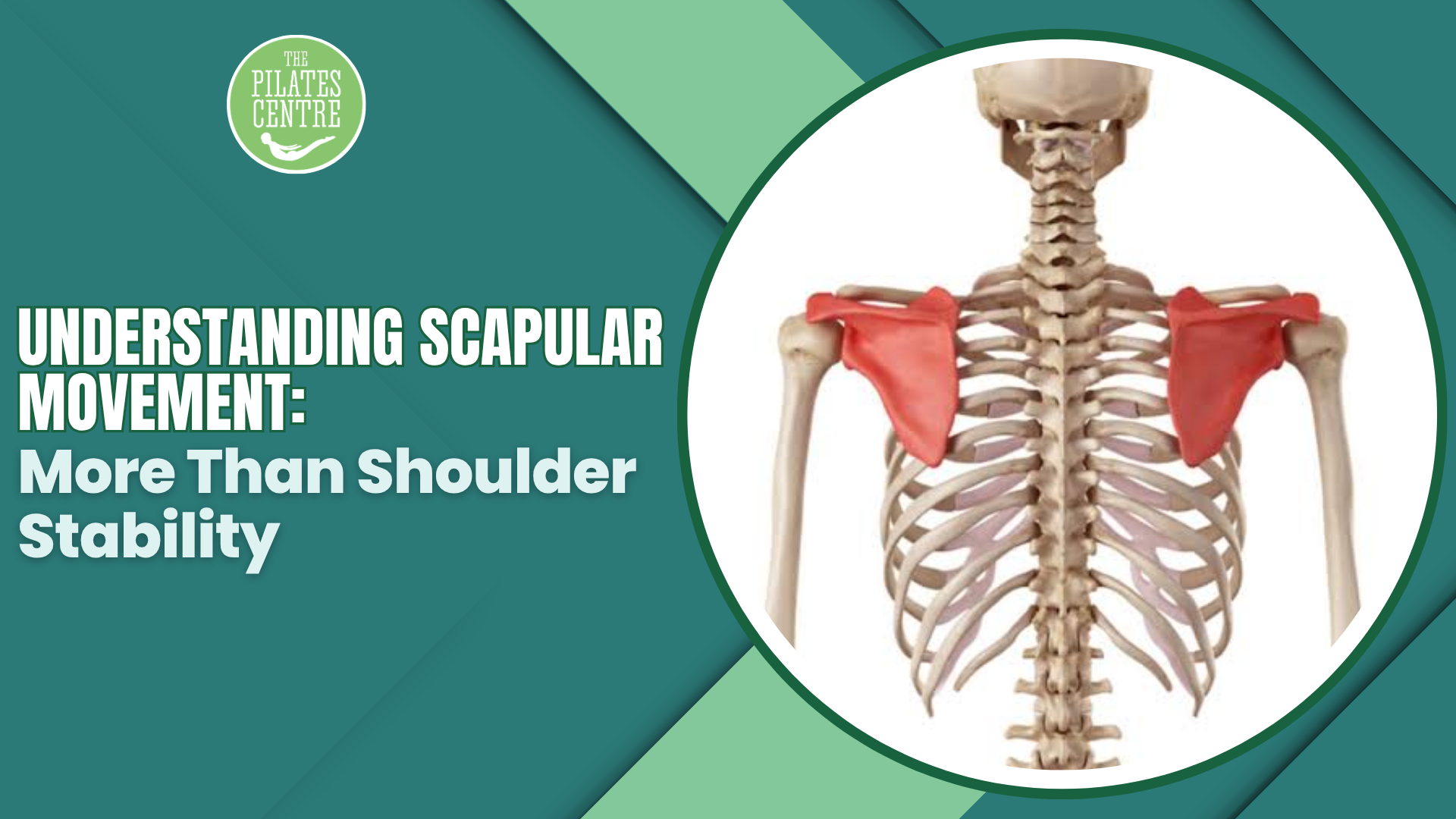
When we talk about shoulder health and movement, the focus is often placed on stability. We hear cues such as “keep your shoulders down,” “pull your shoulder blades back,” or “stabilize your shoulders.” While stability has an important role, the scapulae were never designed to remain completely still.
Understanding how the scapula moves is an important part of developing healthier, more efficient upper-body movement.
The Scapula Is Designed to Move
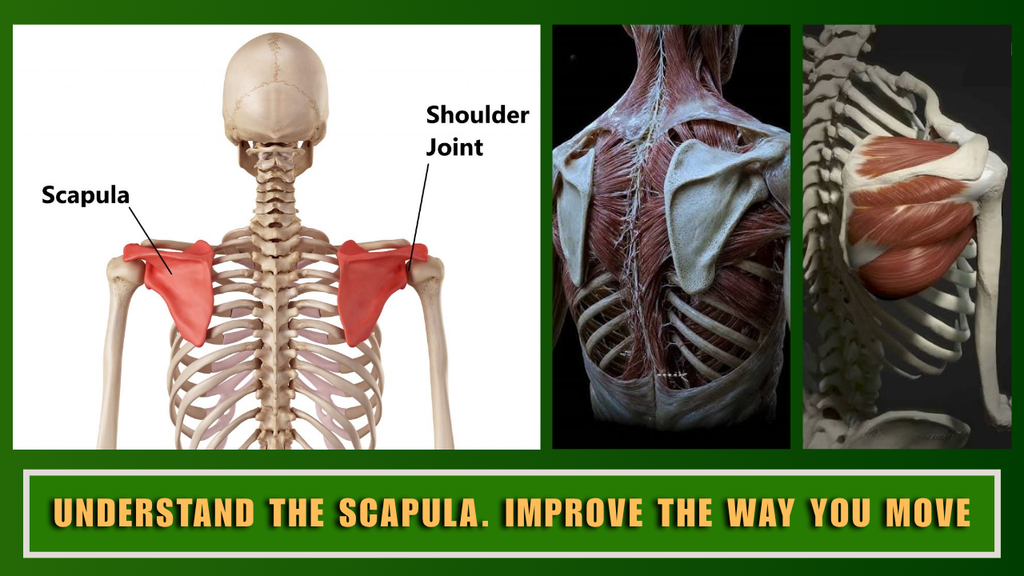
The scapula, commonly known as the shoulder blade, sits on the back of the rib cage and works closely with the arm, collarbone, spine, and surrounding muscles.
As the arms move, the scapulae should respond. They may glide, rotate, elevate, lower, move towards the spine, or move away from it. This movement allows the shoulders and arms to function with greater freedom and efficiency.
Trying to hold the shoulder blades in one fixed position throughout every exercise can sometimes create unnecessary tension and restrict natural movement.
The Importance of the Rib Cage
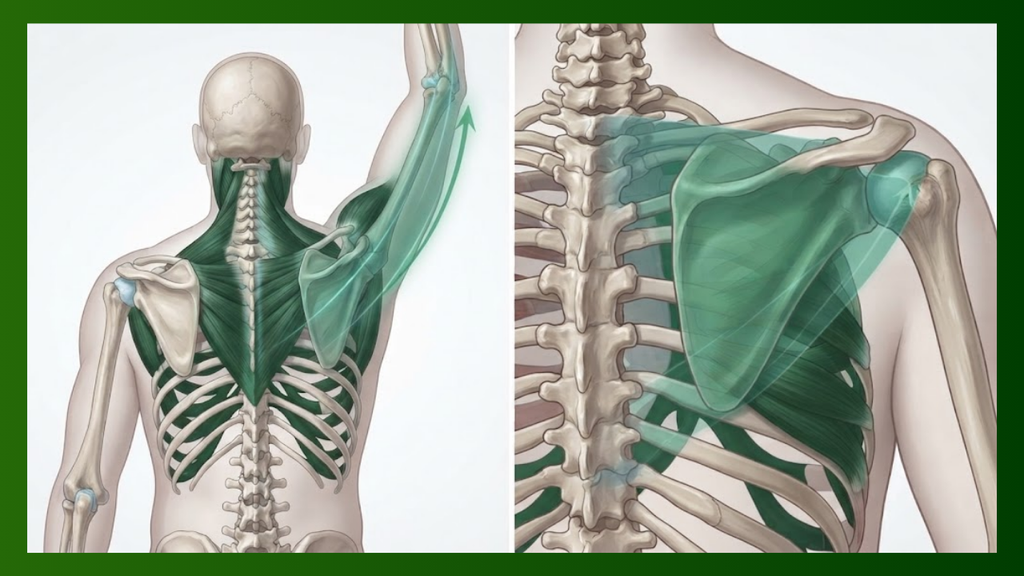
Scapular movement does not happen in isolation. The shoulder blades move over the rib cage, which means that the position and movement of the ribs and thoracic spine can influence what happens at the shoulders.
A stiff upper back or limited rib cage movement may affect how comfortably and efficiently the scapulae can move. This is why looking only at the shoulders does not always provide the full picture.
Pilates encourages us to observe movement as part of a connected system. The way a client breathes, moves their spine, organises their rib cage, and uses their arms can all influence scapular movement.
Every Body Moves Differently
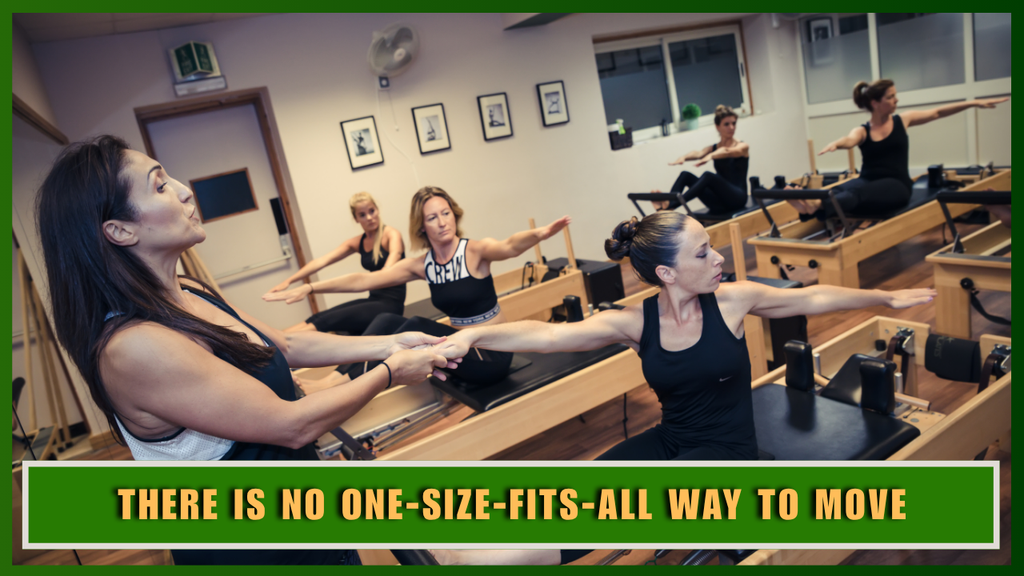
There is no single shoulder position that works perfectly for everyone.
Body structure, posture, mobility, strength, previous injuries, and movement habits can all influence how the scapulae move. This is why simply applying the same cue to every client is not always effective.
Rather than forcing the shoulders into a specific position, it can be more helpful to observe how the person moves and ask what they need to perform the exercise with greater comfort and control.
The goal is not perfect symmetry or stillness. The goal is functional, adaptable movement.
What This Means in Pilates
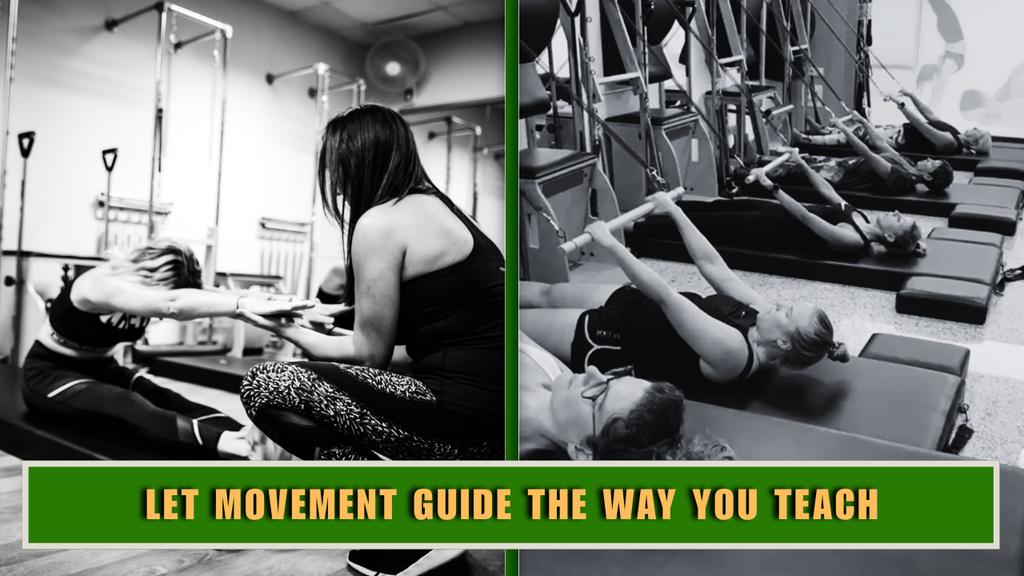
In Pilates, understanding scapular movement can help us teach upper-body exercises with greater awareness.
During weight-bearing exercises, pushing movements, pulling movements, arm work, and overhead exercises, the scapulae need to respond differently. A cue that is useful in one exercise may not be appropriate in another.
This is where observation becomes essential.
Instead of focusing only on whether the shoulders look “correct,” we can pay attention to how the movement is happening. Is the client creating unnecessary tension? Are they able to move their arms freely? Are other parts of the body compensating? Does the movement look controlled and comfortable?
These questions can help us move beyond rigid positioning and towards more intelligent movement.
Ready to Move With Greater Awareness?
At Pilates Centre, we focus on thoughtful movement and personalised Pilates practice that helps you better understand your body. Join us and explore how mindful movement can support greater strength, mobility, control, and confidence.
Get in touch to learn more or book your session.
+34 610 30 60 05
info@pilatescentre.es

John McCallum
is an esteemed, Fully Certified Comprehensive Classical Pilates Teacher and takes immense pride as the proprietor of the distinguished Pilates Centre located in Jalon, Spain. His remarkable journey in the realm of Pilates commenced back in 2006, a pivotal juncture when he confronted the diagnosis of three slipped discs in his lower back. Pilates emerged as a beacon of profound hope and rejuvenation in his life. Instead of succumbing to the prospect of surgical intervention, Pilates gracefully assumed the role of his lifeline.
This transformative experience impelled him to make a resolute decision that would reshape his life’s trajectory. Following his journey to become a Pilates Teacher, he passionately extended the benefits he had personally garnered to those in need. This also took him to travel to other countries to continue to learn and have a fuller understanding of the method.
Fueled by an unwavering passion for Pilates, he has forged a dynamic collaboration with a reputable research institution. This strategic alliance enables him to deliver precise and illuminating insights, fostering support and empowerment for individuals interested in the power of this method. His literary contributions have garnered distinction within an array of esteeme.