Introduction
When people think about mobility, they often focus on flexibility in the hips or shoulders. Yet one of the most important areas of the body for efficient movement is often overlooked, the thoracic spine.
The thoracic spine, located in the upper and mid-back, plays a major role in posture, breathing, spinal health, and overall movement quality. When this area becomes stiff or restricted, the body often compensates through other joints, creating unnecessary strain and limiting movement efficiency.
In Pilates, thoracic mobility is a foundational component of healthy movement because it supports balance, alignment, and freedom throughout the entire body.
1. Thoracic Mobility Supports Better Posture
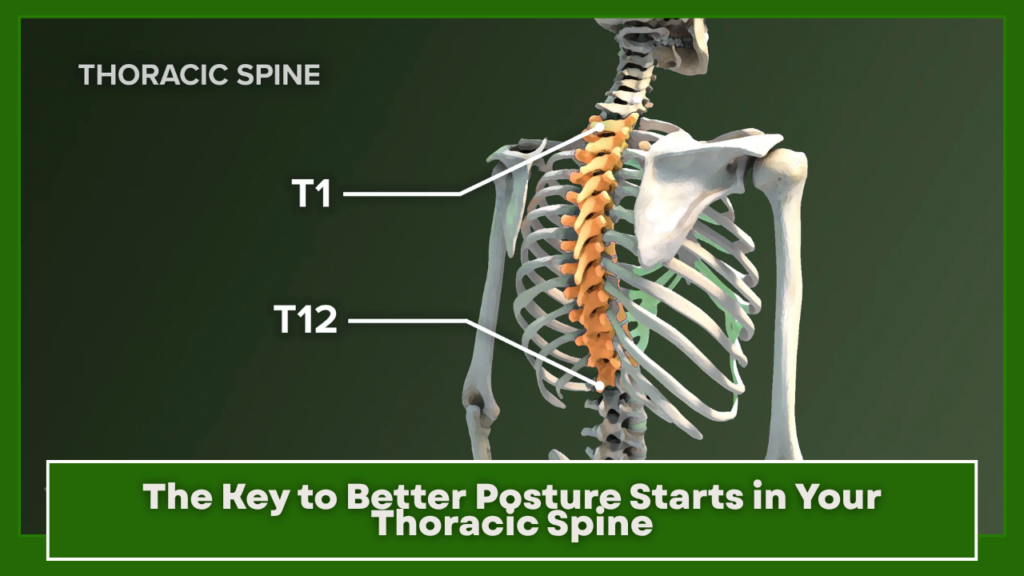
The thoracic spine naturally curves outward and provides stability for the ribcage. However, modern lifestyles that involve prolonged sitting, screen time, and repetitive forward-focused tasks often encourage excessive rounding in this region.
When the thoracic spine loses mobility, posture begins to suffer. Rounded shoulders, forward head positioning, and collapsed chest alignment can all stem from stiffness in this area.
Improving thoracic mobility allows the spine to move more freely, helping the body return to a more upright and aligned position. This creates better postural support, reduces tension in the neck and shoulders, and encourages more efficient muscular engagement.
2. It Enhances Breathing and Core Function
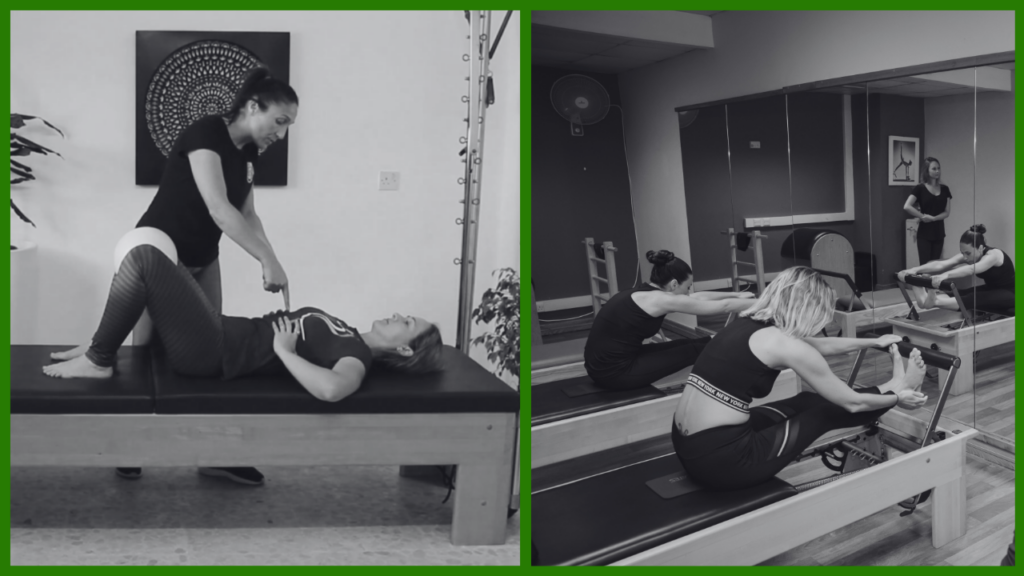
The thoracic spine is closely connected to the ribcage, which directly impacts breathing mechanics. Restricted movement in this region can limit rib expansion, making it harder to breathe deeply and efficiently.
In Pilates, breath is used to facilitate movement, improve control, and activate deeper stabilizing muscles. Without adequate thoracic mobility, breathing patterns can become shallow, reducing the effectiveness of both movement and core activation.
When the thoracic spine moves well, the ribcage can expand more fully, allowing for deeper diaphragmatic breathing. This improves oxygen flow, supports nervous system regulation, and enhances overall movement quality.
3. It Prevents Compensation and Reduces Strain
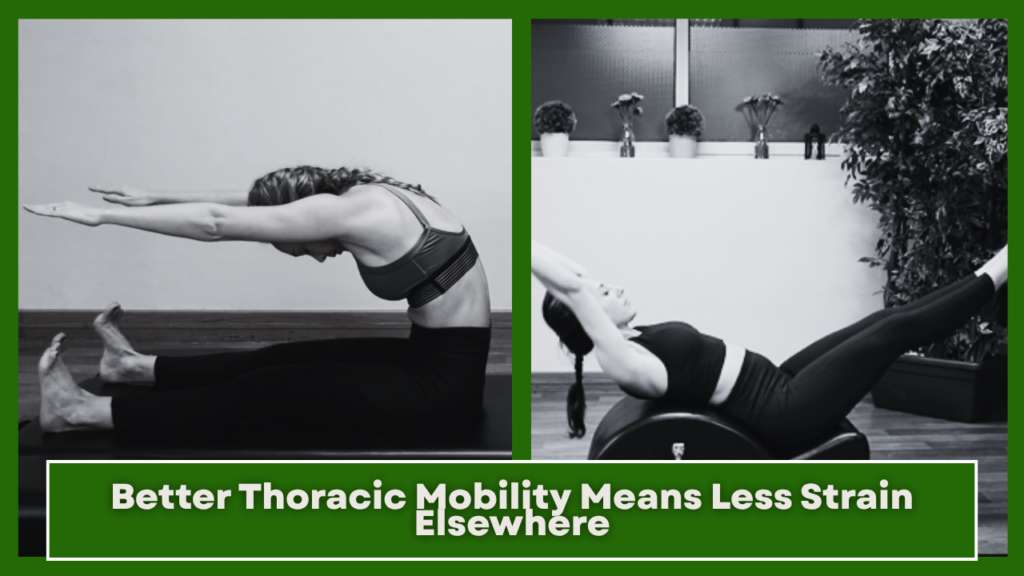
When the thoracic spine lacks mobility, the body often compensates by forcing movement into other areas such as the neck, lower back, or shoulders.
These compensations may initially seem harmless, but over time they can lead to discomfort, muscular imbalances, and increased risk of injury.
Healthy thoracic mobility allows movement to be distributed appropriately throughout the spine. This reduces unnecessary strain on surrounding joints and supports smoother, more coordinated movement patterns.
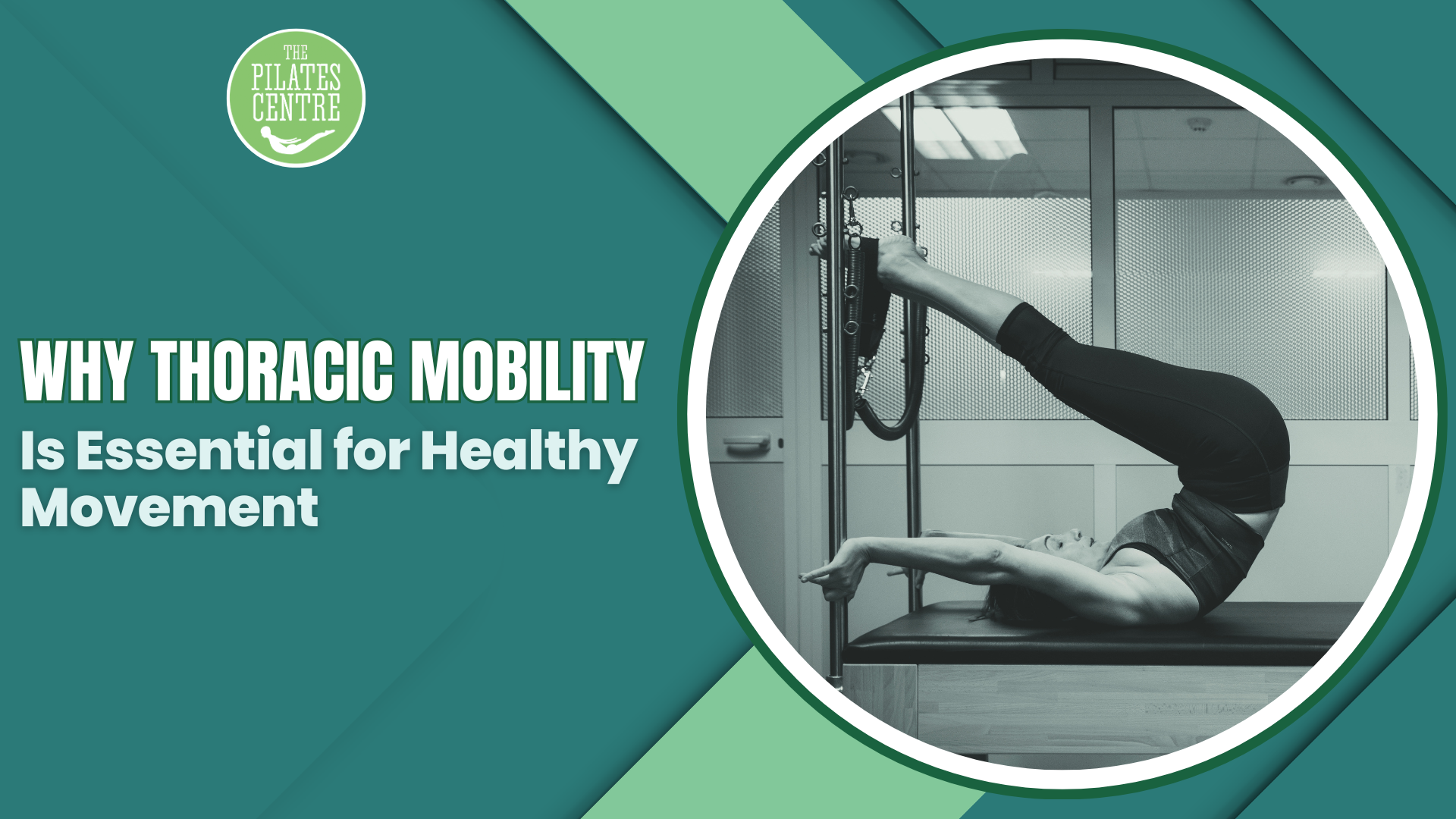
Pilates exercises that encourage spinal rotation, extension, and controlled articulation help restore mobility while building awareness and strength.
Conclusion
Thoracic mobility is not just about moving the upper back. It influences posture, breathing, spinal mechanics, and overall movement efficiency. By improving mobility in this often-neglected area, you create the foundation for healthier, more balanced movement throughout the entire body.
At Pilates Centre, we focus on helping clients develop mobility with precision and control, creating movement patterns that support long-term strength, alignment, and wellbeing.
Ready to move with greater freedom and ease? Join a class at Pilates Centre and discover how improving thoracic mobility can transform your posture, breathing, and overall movement quality.
Book your session today and experience the difference mindful movement can make.

John McCallum
is an esteemed, Fully Certified Comprehensive Classical Pilates Teacher and takes immense pride as the proprietor of the distinguished Pilates Centre located in Jalon, Spain. His remarkable journey in the realm of Pilates commenced back in 2006, a pivotal juncture when he confronted the diagnosis of three slipped discs in his lower back. Pilates emerged as a beacon of profound hope and rejuvenation in his life. Instead of succumbing to the prospect of surgical intervention, Pilates gracefully assumed the role of his lifeline.
This transformative experience impelled him to make a resolute decision that would reshape his life’s trajectory. Following his journey to become a Pilates Teacher, he passionately extended the benefits he had personally garnered to those in need. This also took him to travel to other countries to continue to learn and have a fuller understanding of the method.
Fueled by an unwavering passion for Pilates, he has forged a dynamic collaboration with a reputable research institution. This strategic alliance enables him to deliver precise and illuminating insights, fostering support and empowerment for individuals interested in the power of this method. His literary contributions have garnered distinction within an array of esteeme.