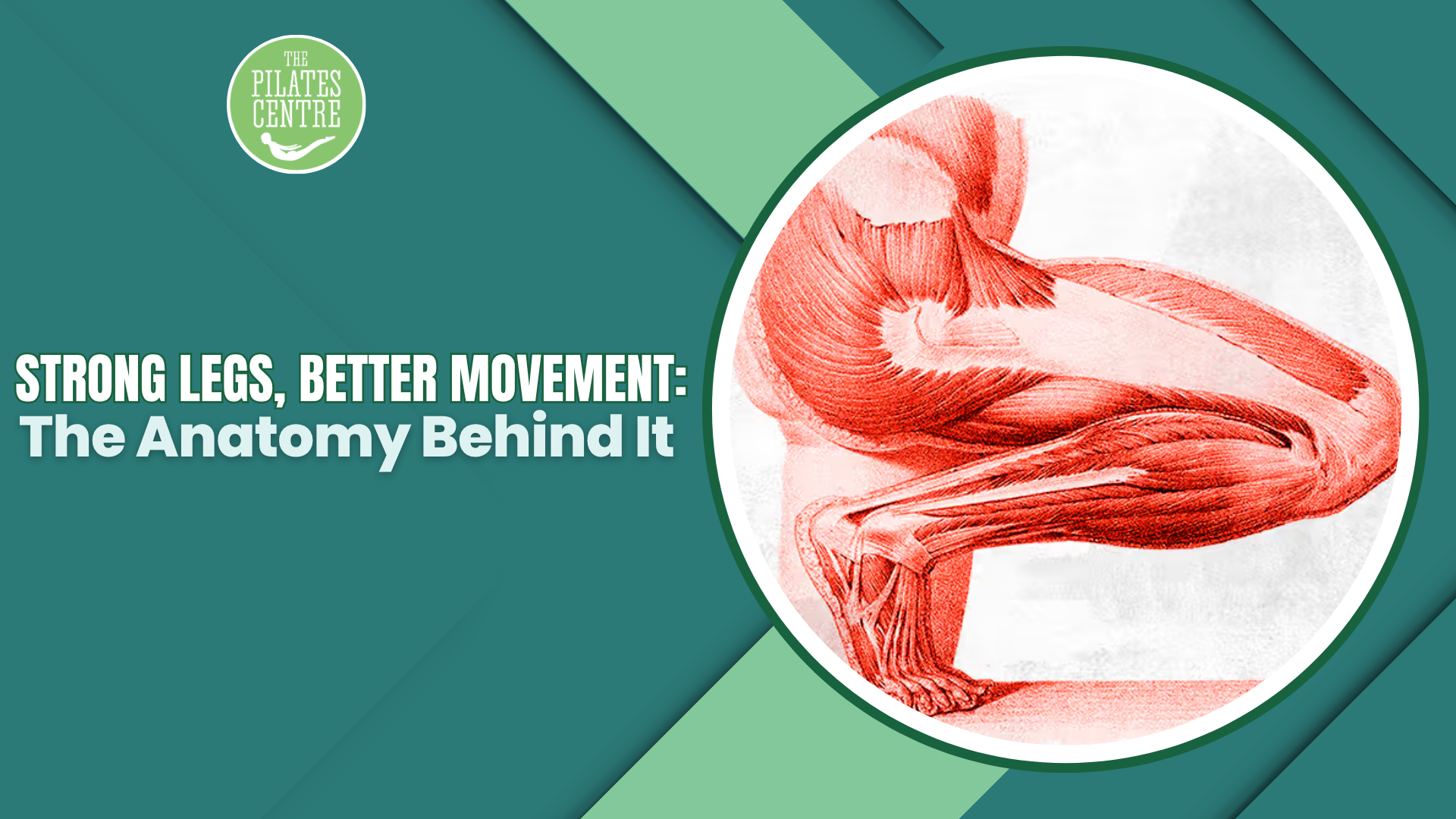
Think about how often you use your legs throughout the day.
Getting out of bed, walking to the shops, climbing stairs, standing up from a chair or simply keeping your balance all depend on your legs working together.
We often think of strong legs as something important for athletes or people who exercise regularly. But leg strength matters at every age, especially as we get older and want to remain active and independent.
Understanding how the muscles in your legs work can help you appreciate why building strength, mobility and control is so important for everyday movement.
Understanding the Muscles That Keep You Moving
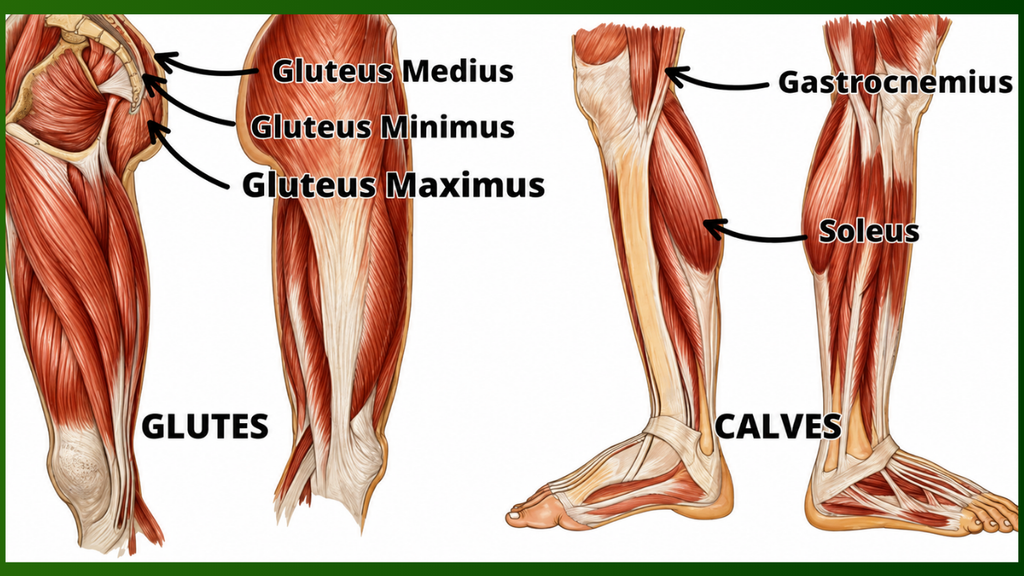
Your legs contain several major muscle groups, each with an important role in supporting movement.
The quadriceps, located at the front of your thighs, help straighten your knees. You use them when standing up from a chair, climbing stairs and walking.
At the back of your thighs are the hamstrings, which help bend your knees and extend your hips. They work alongside other muscles to support walking, bending and many everyday activities.
Your gluteal muscles, found around your hips and buttocks, help extend, rotate and stabilize your hips. They play an important role when walking, standing on one leg and getting up from a seated position.
Further down, your calf muscles help you push off the ground when walking and rise onto your toes. They also contribute to ankle movement and balance.
These muscles don’t work separately. They coordinate with your joints, nervous system and the rest of your body to make movement possible.
Why Leg Strength Becomes More Important as We Age
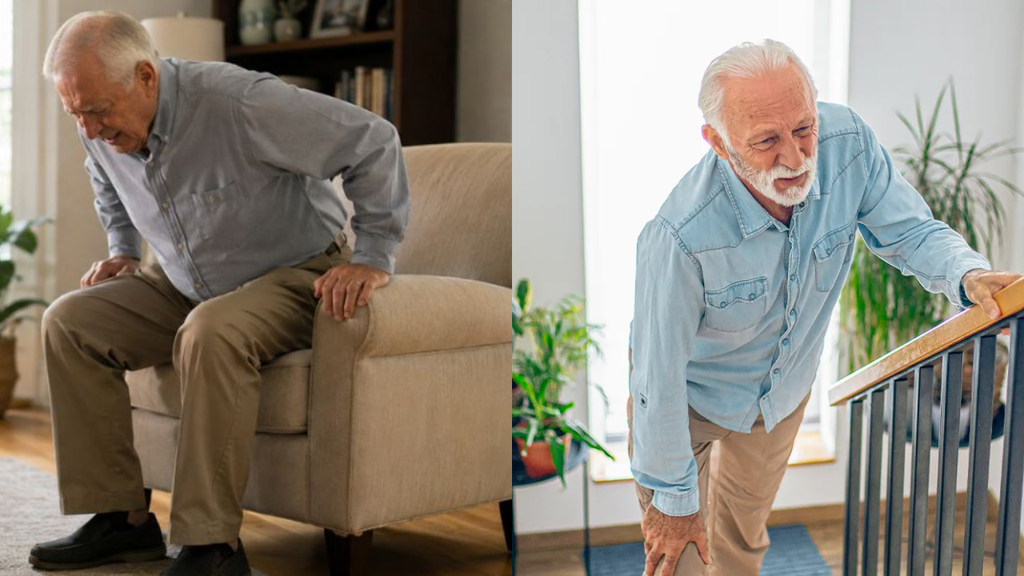
As we get older, changes in muscle mass, strength and coordination can affect how easily we perform everyday activities.
You might notice that getting up from a low chair takes more effort, climbing stairs feels harder or maintaining your balance requires greater concentration.
These changes can happen gradually, but getting older doesn’t mean you have to stop building strength.
Regular strengthening exercises can help maintain muscle function and support your ability to remain active.
Strong legs are particularly important for everyday independence. They help you move around your home, enjoy walks, manage stairs and participate in activities you love.
However, strength alone isn’t the whole picture.
Your legs also need mobility, coordination and the ability to respond to different situations. Being strong is useful, but being able to use that strength effectively during movement matters just as much.
How Pilates Supports Leg Strength and Movement
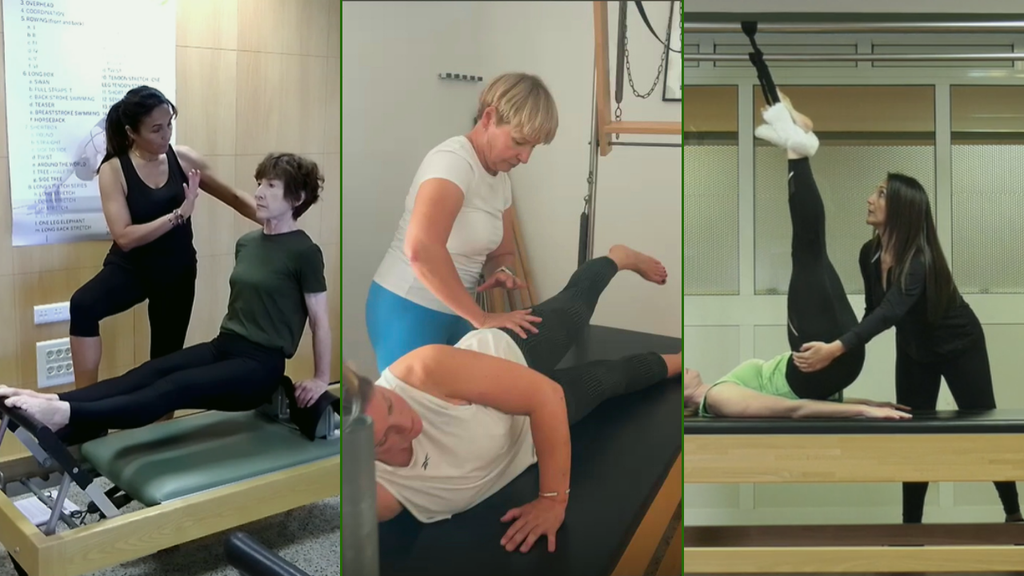
Pilates offers different ways to strengthen the legs while also developing balance, flexibility, coordination and body awareness.
Exercises can be adapted to suit different abilities and levels of experience, making Pilates accessible to people at various stages of life.
On the Reformer, for example, footwork exercises use spring resistance to challenge the muscles around the hips, knees and ankles. These movements also provide an opportunity to notice how your legs are working together.
Standing Pilates exercises can help develop strength and balance while encouraging you to become more aware of how your weight is distributed through your feet.
Other exercises focus on hip movement, knee control and coordination between the legs and trunk.
One of the valuable things about Pilates is that it encourages you to pay attention to how you move, not just how many repetitions you complete.
Are both legs working evenly? Are your knees moving comfortably? Are you using unnecessary tension? Can you control the movement as well as perform it?
These are the kinds of questions that can help make exercise more purposeful.
Conclusion
Stronger legs help make everyday activities easier, from climbing stairs to enjoying a walk. With consistent, personalized Pilates practice, you can build strength, mobility and balance to support your independence.
At Pilates Centre, we offer personalized sessions and small group classes with a maximum of four clients.
Book your session today and move with greater confidence.
Jalón, Alicante, Spain
www.pilatescentre.es
+34 610 30 60 05

John McCallum
is an esteemed, Fully Certified Comprehensive Classical Pilates Teacher and takes immense pride as the proprietor of the distinguished Pilates Centre located in Jalon, Spain. His remarkable journey in the realm of Pilates commenced back in 2006, a pivotal juncture when he confronted the diagnosis of three slipped discs in his lower back. Pilates emerged as a beacon of profound hope and rejuvenation in his life. Instead of succumbing to the prospect of surgical intervention, Pilates gracefully assumed the role of his lifeline.
This transformative experience impelled him to make a resolute decision that would reshape his life’s trajectory. Following his journey to become a Pilates Teacher, he passionately extended the benefits he had personally garnered to those in need. This also took him to travel to other countries to continue to learn and have a fuller understanding of the method.
Fueled by an unwavering passion for Pilates, he has forged a dynamic collaboration with a reputable research institution. This strategic alliance enables him to deliver precise and illuminating insights, fostering support and empowerment for individuals interested in the power of this method. His literary contributions have garnered distinction within an array of esteeme.